Summary
- Implement in five phases: discover, design, build, launch and sustain, each with a clear exit test.
- Build the register and owners before policies or software.
- Roll out a few routines at a time, starting with the highest-risk duties.
- Schedule reviews before go-live, because programs decay without a rhythm.
Writing a compliance plan is the easy part. Making it stick across a busy organization is the hard part, and it is where most programs fail. When I run implementations as part of compliance management consulting, I treat them as a change project that happens to involve rules.
Below is the five-phase plan I use for mid-sized organizations, with typical timing, exit tests for each phase and the problems that slow things down.
The Rollout at a Glance
| Phase | Typical timing | Main work | Exit test |
|---|---|---|---|
| 1. Discover | Weeks 1 to 3 | Scope, sponsor, first register, interviews | Leadership signs the scope |
| 2. Design | Weeks 3 to 6 | Ranking, owners, operating model, routines | Top 10 to 15 duties have owners and a design |
| 3. Build | Weeks 6 to 10 | Procedures, checklists, evidence structure, tool decision | Each top duty has a tested routine |
| 4. Launch | Weeks 10 to 12 | Training, go-live, first reporting | Owners complete their first cycle |
| 5. Sustain | Week 12 onward | Reviews, checks, next wave | First quarterly review held on schedule |
The weeks come from my own projects and assume a lead who has time. Add buffer for legal review, since an unclear rule can hold up an entire phase.
Phase One: Discover What You Have
Begin with a sponsor and a lead. The sponsor is a senior person who can remove blockers, and the lead is the one who does the work. Then write a scope page: which obligations, which sites and which standards the program covers, and what it leaves out for now.
Next, build a first register from what already exists: contracts, licenses, audit reports, policy folders and the answers people give in short interviews. Ask each manager one question: what rule would worry you most if you missed it? The answers cluster quickly, and they point to the duties your ranking will lift.
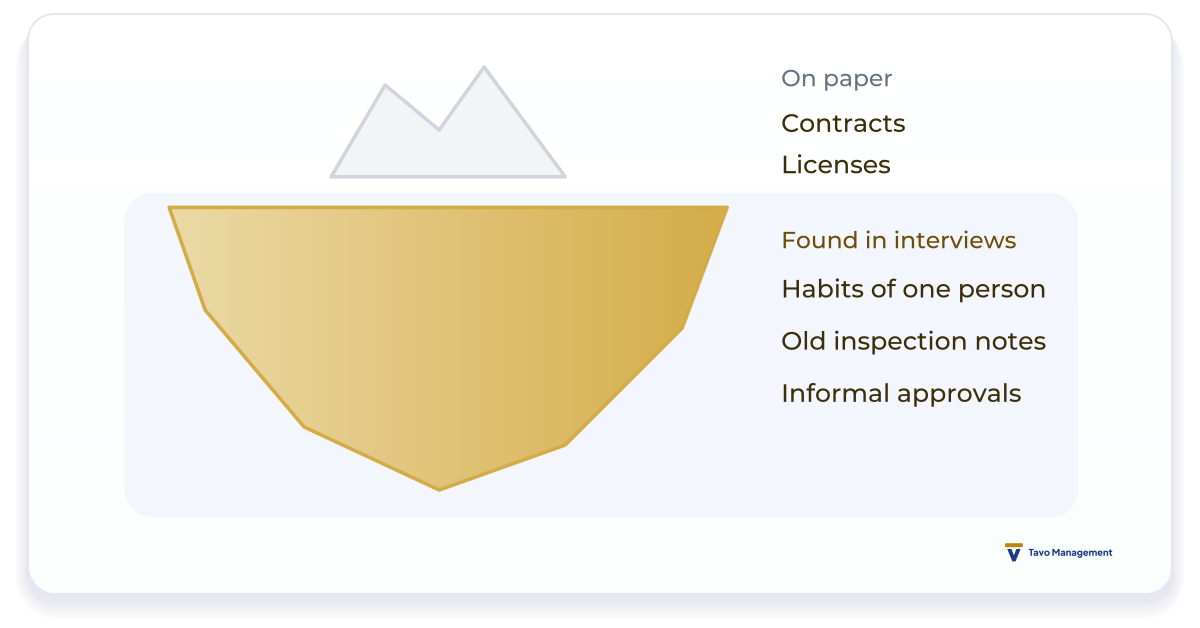
I also collect evidence of how things run today, such as the last audit report, the last customer questionnaire and any incident record. They show where reality differs from the paperwork.
Phase Two: Rank, Assign and Design the Routines
Rank the register by exposure, then give every top-ranked duty an owner and a backup. How to score the register is covered in my compliance management strategy playbook, and the structure behind it in the compliance management framework guide.
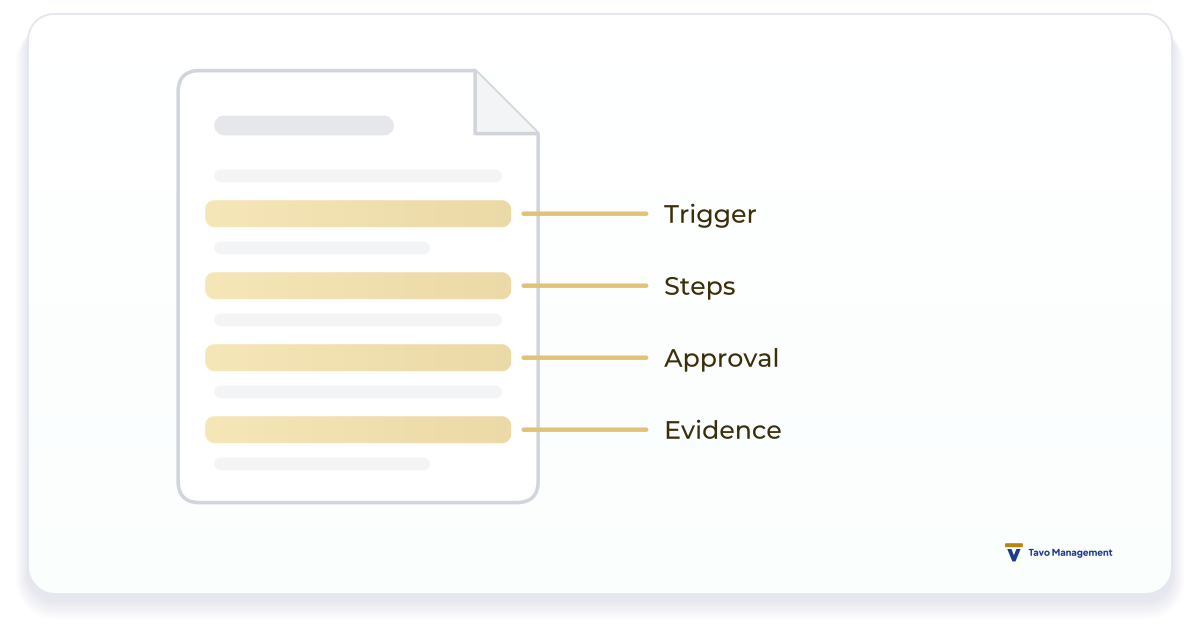
For each top duty, sketch the routine on one page: trigger, steps, approver, evidence and frequency. Walk the sketch through with the owner. This is the stage where ownership by title falls apart, because the person who really does the work often sits two levels below the manager on the org chart.
Close the phase with a decision on operating model: central, local or hybrid. Write down decision rights, so everyone knows who can approve a procedure or accept a risk.
Phase Three: Build Procedures, Evidence and, Maybe, a Tool
Now write the procedures. Keep them short and written in the language people use at work. A one-page checklist with owner, steps and evidence beats a twelve-page policy. Build the evidence structure at the same time: a folder or tool layout where each duty has a place for approvals, test results and training records.
This is also when to decide on software. List the problems you want it to solve, such as repetitive evidence collection, many sites or frequent audits, and compare options against that list. My compliance management software ranking covers ten platforms. If your list is short, a shared tracker and a calendar can carry you for a year or two.
Testing Before You Go Live
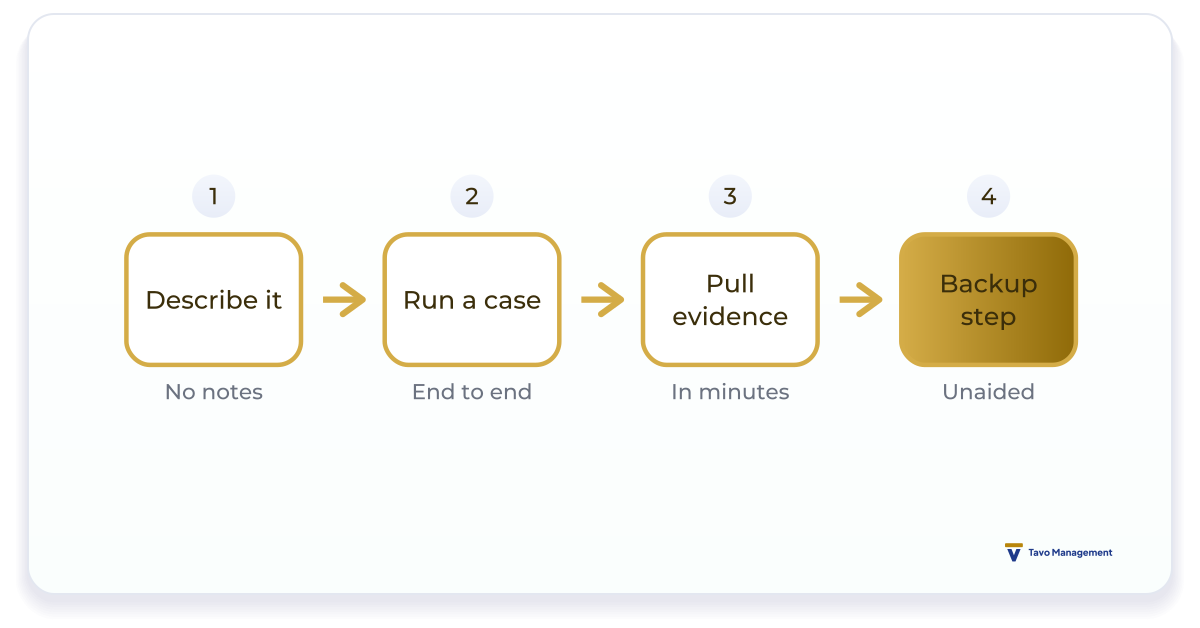
Test each top duty from rule to evidence. Pick a duty, ask the owner to run the routine with a real case, then check whether the evidence landed where it should. I time these tests. If the owner needs ten minutes of searching to find the last approval, the structure needs work.
Record what broke and fix it before launch. Small cases of friction now save you from a loud failure during the first audit.
| What to test | How | Pass looks like |
|---|---|---|
| Owner knowledge | Ask the owner to describe the routine without notes | Correct steps, correct frequency |
| Routine in practice | Run one real case end to end | All steps done, no missing approvals |
| Evidence trail | Ask for the record of the last cycle | Found in minutes, readable by a stranger |
| Backup cover | Have the backup run a step | Backup completes it unaided |
Phase Four: Train, Launch and Report
Train owners in small groups, using their own routines as examples. A forty-minute session per group, with each owner leaving knowing their three duties, their dates and where the evidence goes, beats a general presentation to everyone. Share the calendar, and make the lead reachable for questions in the first weeks.
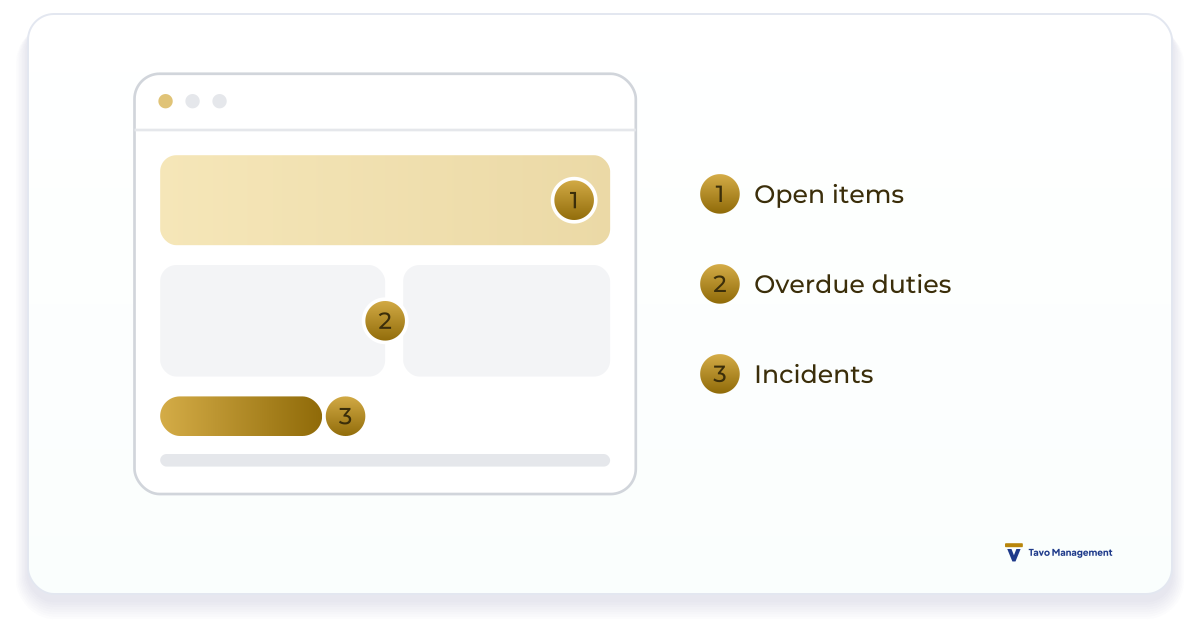
Launch the first reporting cycle at the same time. A one-page report to leadership shows top exposures, status, overdue items and findings. The first report is rarely pretty, and that is fine. Its job is to start the rhythm.
Phase Five: Keep It Running After the Project Ends
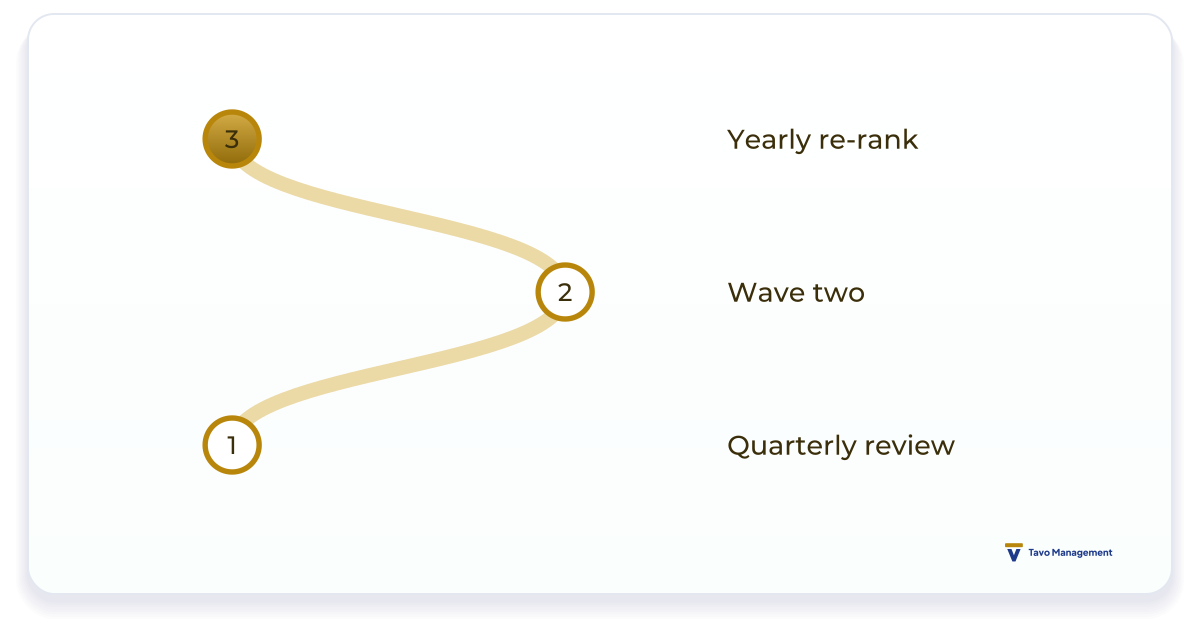
Programs decay without a rhythm, so put the first three reviews in calendars before the project closes. Each quarter, the lead reviews open items with owners, tests two or three duties at random and updates the ranking if the business changed. Once a year, a fuller review covers the register and the operating model.
After a few quarters, bring in wave two: the next band of ranked duties. Use the same pattern, with owners, routines, tests and training. The project becomes a habit rather than a rollout.
For ideas on what mature routines look like, my compliance management examples show ten in detail.
What the Rollout Costs in People and Time
Budget starts with hours. In my projects for mid-sized organizations, the lead spends roughly one to two days a week for the first twelve weeks. Each top-ranked duty owner gives about three to five hours across design, build and testing, and the sponsor gives an hour every two weeks. Legal review adds a few hours per question that needs interpretation.
Those figures come from my own work and vary with the size of the register and how much documentation already exists. Add outside help only for the pieces your team cannot cover, such as drafting procedures for an unfamiliar standard or running an independent test. A fixed quote for a defined phase keeps the cost visible.
One manufacturer I worked with had fourteen top-ranked duties and no register. We spent the first three weeks on interviews and contract review, and a supplier requirement turned up that nobody had on a list. It had no owner and a renewal date six weeks away. The register paid for itself in that single finding, and the owner was named the same afternoon.
Telling People What Is Changing and Why
Owners accept new routines when they understand the reason. A short kickoff message from the sponsor should say what the program covers, why it starts now, what each owner will be asked to do and when. Avoid long mission statements. People want to know how much time it takes and who to ask.
Keep communication in the channels people use already, such as the weekly operations meeting or the team chat. A monthly one-paragraph update from the lead, with a win and a request, keeps momentum without a newsletter. When something goes wrong, share it plainly: which duty slipped, what was done and what changed in the routine.
Share a short glossary in the kickoff pack, so terms such as obligation, control and evidence mean the same thing to everyone from finance to the shop floor.
Rollout Traps and How I Avoid Them
The most common trap is launching too much at once. A rollout that adds fifteen new tasks per owner in one month collapses by the second. I cap new routines at three per owner per quarter.
The second is a delayed legal answer. When counsel needs two weeks to interpret a rule, work on other duties continues, and the pending item stays visible in the register with a date.
The third is losing the sponsor. If the sponsor stops attending reviews, owners notice within a month. Put a five-minute sponsor check-in in the calendar, and ask for it by name.
How to Choose Your Starting Point
If you have no register, start in phase one and expect to spend a month there. If you have a register and owners, jump to phase three and test what you have. If you have procedures but poor evidence, concentrate on the evidence structure and the quarterly review.
When unsure, run one test: pick your highest-risk duty and ask its owner to show the procedure, the last test and the record. The place where they stall tells you the phase to start with.
Questions About Rolling Out Compliance Management
How Long Does It Take to Implement Compliance Management?
A first working version for a mid-sized organization usually takes about 90 days when someone owns it and leadership responds quickly. Larger or multi-site setups take longer, and legal review can stretch any phase. Plan for a working core in the first quarter and refinements in the second, instead of waiting for a perfect program.
Who Should Lead the Implementation?
Pick one accountable lead with enough standing to chase senior colleagues, such as a compliance manager, operations head or finance lead. Add an executive sponsor who clears blockers. The lead does not need to know every rule. They need to run the plan, hold the register and keep owners on schedule.
Do I Need Software Before I Start?
No. Build the register, owners and routines first, in a spreadsheet if necessary. Buy software when you know which problems it must solve, such as repetitive evidence collection or many sites. Buying first usually means configuring a tool around guesses and redoing the work later.
How Do I Get Busy People to Adopt New Routines?
Keep each routine short, build it with the person who will use it and connect it to something they already do, such as a weekly meeting or a system approval. Introduce few routines at a time. In my client work, adoption fails far more often from too many new steps than from resistance.
What Should the First 30 Days Produce?
A scope statement, a first version of the obligations register with owners and a ranking that identifies your top 10 to 15 duties. You should also have a named lead and sponsor, and a calendar for the next phases. Policies can wait. The first month is about knowing what you have.
How Do I Know the Implementation Worked?
Test a few high-risk duties from rule to evidence. Pick a duty, ask the owner to show the procedure, the last test and the record, and time it. If an owner can do that in minutes without help, the routine works. Repeat with fresh duties every quarter.
What Do Implementations Most Often Get Wrong?
They skip the register and write policies, buy a tool too early, or assign owners by title instead of by who does the work. A fourth pattern is stopping at go-live, with no review calendar. Programs decay without a rhythm, so schedule the first three reviews before the project ends.
General information only: this is not legal, financial or tax advice. Examples and numbers reflect typical projects; check the specifics with your advisers before deciding.
Did you find this helpful?
Thank you for your feedback.
Delaney Brisco
Delaney leads the Tavo editorial team and works with our consultants to turn real client projects into practical guides on project delivery, process design and organizational change. Before joining Tavo, she spent 12 years in operations and program management roles. She has since edited more than 300 articles on management practice and reviewed PMO setups and process redesigns from over 100 client projects. She is based in Minneapolis, Minnesota.