Where Should We Start with Data Management?
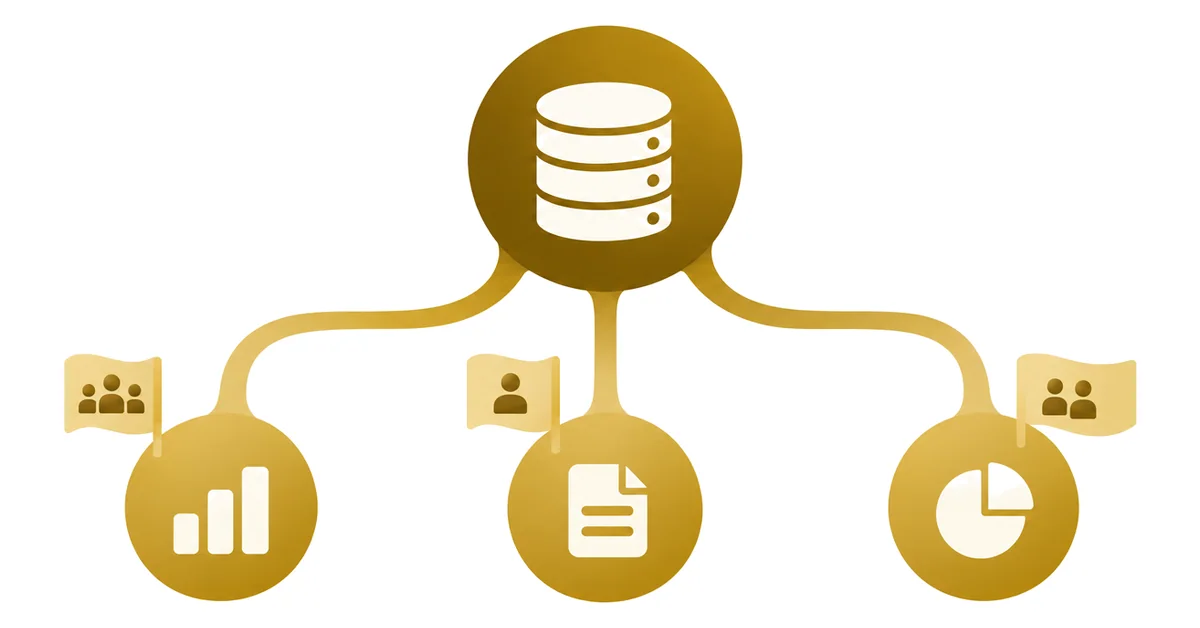
Start with the data your daily decisions depend on: customers, products, suppliers, projects or patients, depending on your business. Your assessment lists every important data set, who owns it, where it lives and how often it is wrong. The first project then targets the one set where bad data costs you the most, so you see a result in weeks and build trust before you widen the scope.
Do We Need to Buy New Software?
Usually not at the start. Most companies already own tools that can do the job, such as the database, spreadsheet, ERP or CRM they use today. You get a written comparison before any purchase, with the cost, the effort and the reason. New software is only recommended when it clearly pays for itself, and you stay in control of the decision.
How Is This Different from an IT Project?
An IT project moves data and builds systems. Data management consulting decides who owns the data, which rules apply, how errors get fixed and who is accountable when they are not. Your IT team stays involved, but the work is about roles, routines and agreements across departments, so it holds up after the project ends.
How Long Does a Data Management Project Take?
You get a timeline with your plan after the assessment, before anything starts. A focused first project, such as a clean customer or product master record, usually runs in clear phases of a few weeks each. Larger programs expand one data domain at a time, so you see progress early and can adjust as you learn.
How Do You Handle Our Data?
Access follows least-privilege rules, so people and tools only reach the data they need. Every data flow is documented so your security team can review it, and NDAs are available on request. Sensitive data, such as health or financial records, gets extra review steps. You always know who can see what and where each data set is stored.
How Much Does Data Management Consulting Cost?
The price depends on how many data domains, systems and teams are involved. You get a realistic cost range on the free discovery call and a fixed quote after the assessment, so there are no surprises later. Most first projects are scoped small on purpose, so they can pay for themselves before you decide to expand.
What Is the Difference Between Data Governance and Data Management?
Data management is the whole job of handling data well: storing, cleaning, connecting, protecting and using it. Data governance is one part of it and covers the rules, roles and decisions, such as who owns a data set and who approves a change. You need both, and the work starts with governance because rules without owners do not last.
What Happens If Our Data Is a Mess Today?
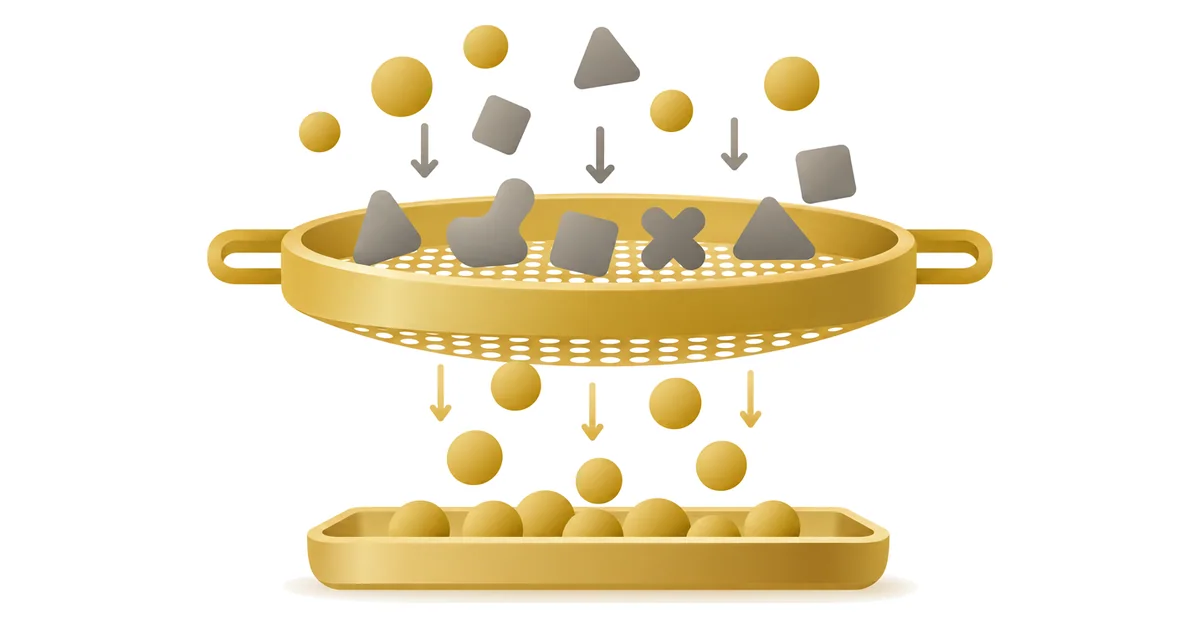
That is the normal starting point, and it is fixable in steps. The assessment shows which problems cost you money now and which can wait. You fix the critical data first, put simple checks in place so new errors are caught at entry, and clean the rest over time. Nobody needs a perfect data set before getting started.
How Do You Measure Results?
Before the project, a baseline is recorded: error rates, duplicate records, hours spent on corrections and how long reports take. After launch, the same numbers are tracked every month and shown in one clear report. That makes the return visible in plain figures and helps you decide what to fix next.
Do You Stay On After Launch?
Yes. Your dedicated account manager reviews data quality, handles fixes and suggests improvements every month. Support is available in 5+ languages. As your systems or teams change, the rules and owners are updated, and you receive full documentation and training so your team stays in control.
 You trust your numbers