What Does a Retail Management Consultant Actually Do?
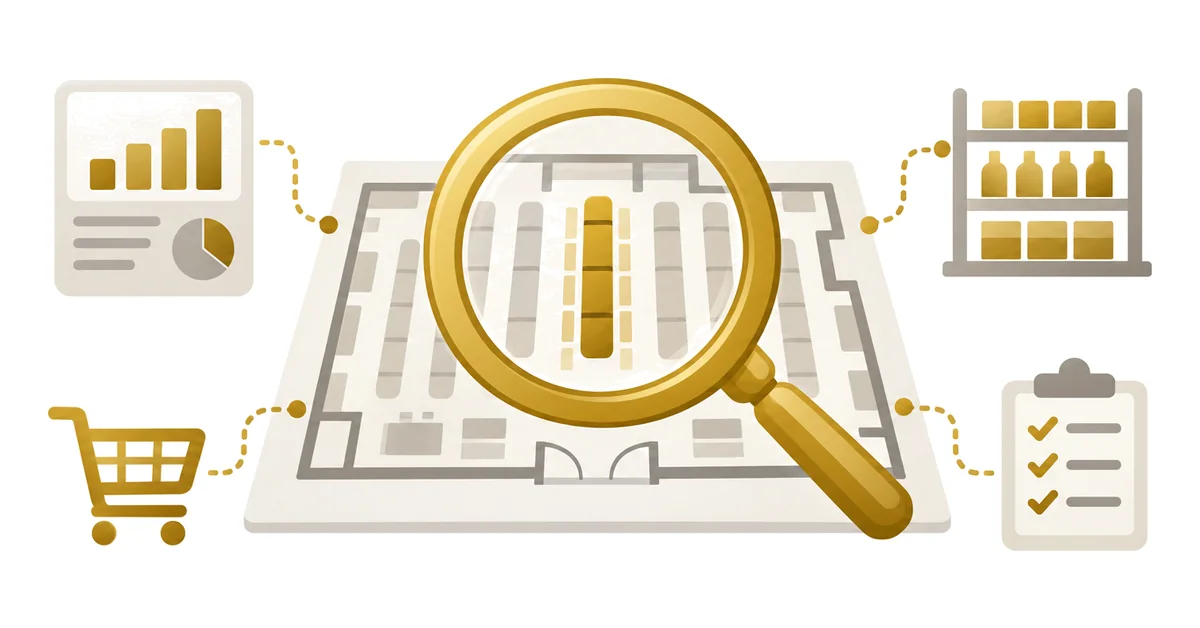
Your consultant looks at how your stores, stockroom and head office really run, then fixes the parts that cost you money. That usually means a review of inventory and ordering, store staffing and scheduling, pricing and promotion routines, and the reports your managers use. You get a written plan with priorities, owners and dates, and hands-on help to put it in place, so the changes stay after the project ends.
Do You Only Work with Large Retail Chains?
No. Projects range from a single shop with a second location planned to regional chains with dozens of stores. The scope changes, the method does not: look at the numbers, walk the floor, agree on a few changes and make them stick. Smaller retailers often get the quickest result, because decisions need fewer approvals and a new routine reaches every employee within days.
Can You Work with the Point-of-Sale and Inventory Systems We Already Have?
Yes. Most retail problems come from how a system is set up and used, not from the system itself. Your consultant starts with what you own, from POS and inventory tools to ecommerce platforms and spreadsheets, and only recommends new software when the numbers clearly justify it. You see that reasoning in writing before you spend anything.
How Long Does a Retail Management Project Take?
A focused first project, such as fixing replenishment for your top 200 products or redesigning store opening and closing routines, often takes six to ten weeks. Wider programs run in phases, so you see results before the next phase starts. You get a timeline with your plan after the assessment, before any work begins.
How Much Does Retail Management Consulting Cost?
The price depends on the number of stores, the areas in scope and how much hands-on support you want. You get a realistic range on your free discovery call and a fixed quote after the operational assessment. Most first projects are scoped small, so the savings from shrink, stock levels or labor hours can start covering the cost early.
Will You Help with Staffing and Store Management Too?
Yes. Labor is usually your biggest controllable cost, so scheduling, role clarity and store manager routines are part of most projects. You get written store procedures, simple checklists for each shift and coaching for your managers, so good practice does not depend on one strong person in each location.
Can You Help Us Manage Change Across Several Stores?
Yes. Rolling out a new routine to ten stores is a change program, not a memo. Your consultant plans a pilot in one or two locations, adjusts what does not work and then trains each store team in short sessions. You see store-level results every week, so you can spot a location that falls behind early.
How Do You Measure Whether the Project Worked?
Before anything changes, a baseline is recorded for the numbers that matter to you, such as stockouts, shrink, labor hours per sale, markdown rate and inventory turns. After launch, the same numbers are tracked every month and compared to the baseline in one clear report. You can show your owners or board exactly what changed and what it was worth.
Do You Cover Ecommerce and Omnichannel Operations?
Yes. If you sell online and in stores, the stock, returns and pricing questions overlap, so they are handled together. Typical work includes one view of inventory across channels, clear rules for buy online and pick up in store, and a returns process that does not drain margin. Your online and in-store teams end up working from the same numbers.
What Support Do You Offer After the Project Ends?
Your dedicated account manager stays in touch after handover, reviews your numbers each month and helps when something slips. Support is available in 5+ languages. You also receive full documentation and short training sessions, so your own team can keep running and improving everything without outside help.
 You see the results