What Is the Difference Between Program Management and Project Management?
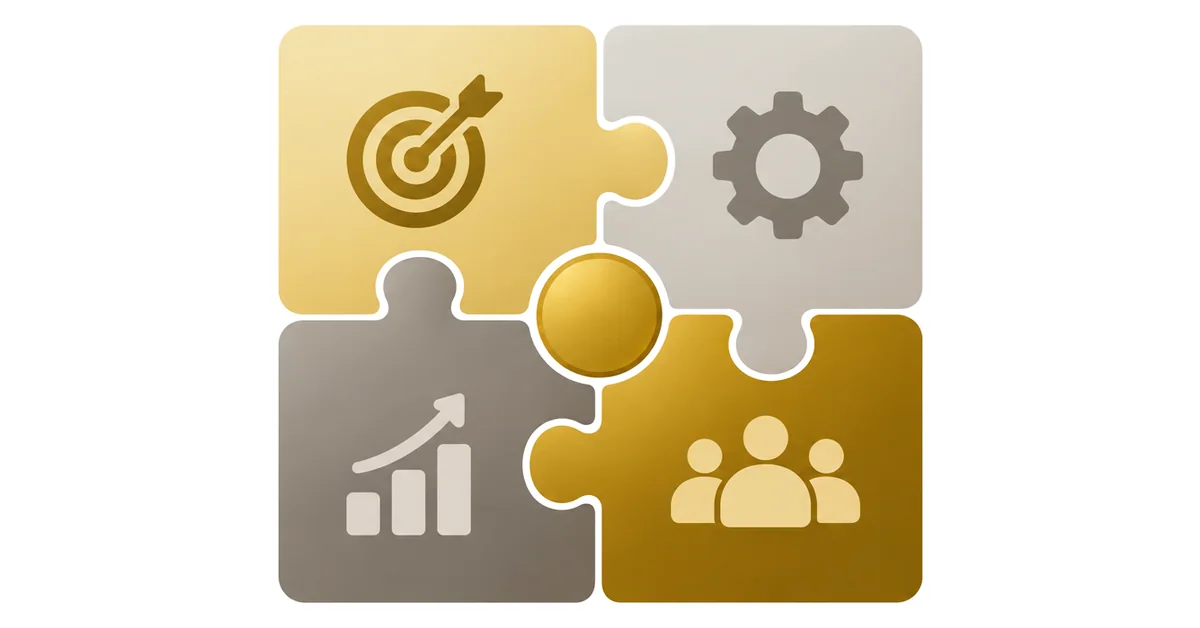
A project delivers one defined output, such as a new system or a finished building. A program groups several related projects and ongoing work so that together they deliver a business benefit that none of them could deliver alone. Program management focuses on that benefit: dependencies between projects, shared resources, funding, risks that cross project lines and the decisions that keep everything pointed at the same goal. Your project managers keep running their projects, and your program manager keeps the whole set coherent.
Do We Need a Program Manager If We Already Have a PMO?
Often yes. A PMO sets standards, tools and reporting across all your work. A program manager is accountable for one specific change and its benefits, and has the authority to trade scope, time and budget between the projects inside it. If you run one large change with many moving parts, a program manager (or a part-time interim one from Tavo) usually adds more value than extra PMO reporting.
How Do You Decide Which Projects Belong in One Program?
The test is shared benefits and shared dependencies. If several projects need the same people, the same decisions or the same go-live date, or if the benefit only appears when all of them finish, they belong together. Projects that merely share a department or a budget line usually do not. Your first call includes a short mapping of your current initiatives, so you see which ones to group and which to leave alone.
How Long Does It Take to Set Up Program Management?
A first working structure, meaning a program charter, governance, a roadmap and one status view, is typically ready within a few weeks. The time depends on how many projects you already run, how clear the target benefits are and how fast your sponsors can make decisions. You get a timeline with the written plan after your free discovery call, before you commit to anything.
Which Program Management Software Do You Recommend?
It depends on your size, the tools you already own and how much portfolio reporting you need. Many mid-sized teams do well on a work management platform such as Smartsheet, monday.com or Asana, while larger organizations with heavy resource planning look at Workfront, Planview or Clarity. Tavo compares options against your requirements and only recommends new software when your current tools cannot do the job.
How Do You Measure Whether a Program Is Working?
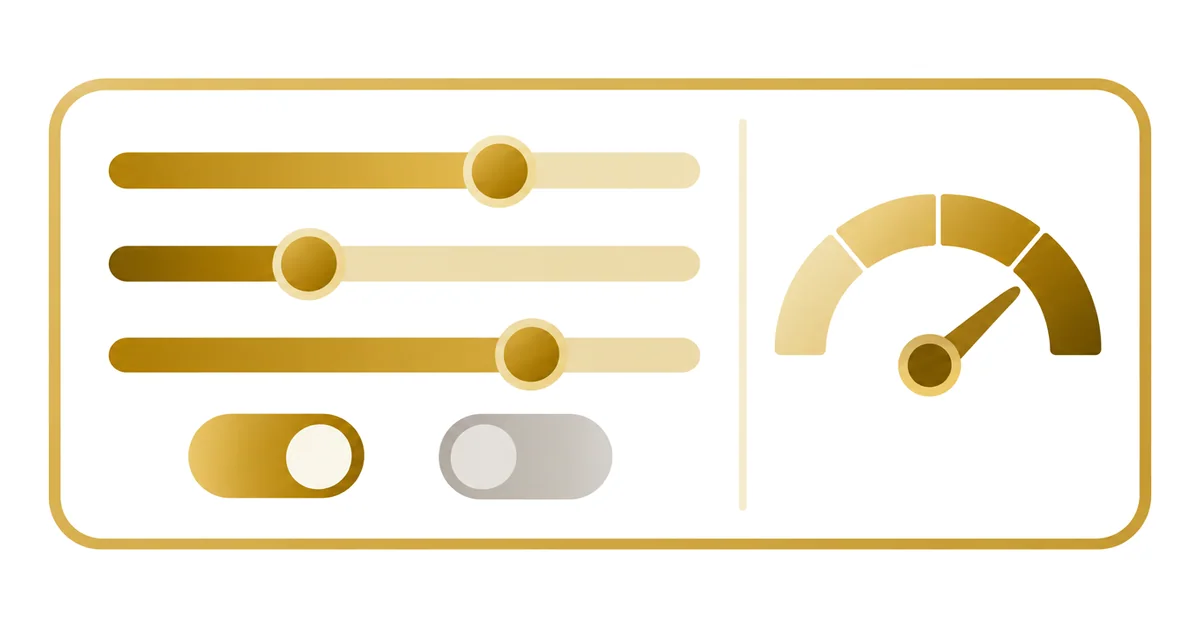
Measurement starts with the benefits you defined at the beginning, such as lower cost per order, shorter onboarding or higher customer retention. Alongside those, you track delivery signals like milestone progress, budget variance, risk exposure and stakeholder readiness. You see everything on one dashboard that is reviewed at a fixed rhythm, so problems show up weeks before they reach the budget.
Can You Take Over a Program That Is Already Behind?
Yes. A recovery starts with a short assessment of scope, dependencies, budget and team capacity, followed by a reset plan that says what stops, what continues and what moves. Your sponsors get an honest picture within days, not months. If part of the program should be paused or cut, you hear that in writing, along with the reasons.
What Does Program Management Consulting Cost?
The cost depends on the number of projects in the program, the length of the engagement and whether you want advice, hands-on program leadership or both. You get a realistic range on your free discovery call and a fixed quote after the assessment. There are no hidden extras, and you decide how much of the work Tavo runs and how much your team takes over.
Do You Work with Our Industry?
Tavo works across seven industries, from healthcare to manufacturing, and the program method stays the same: clear benefits, one governance rhythm and honest reporting. Industry rules, such as clinical safety checks or plant shutdown windows, are built into your plan from the start. Your account manager asks about those on the first call.
What Happens After the Program Ends?
A good program ends with a handover. You receive the final benefits report, the lessons learned, the documented processes and training for the people who now own the results. If you want, your account manager stays on for monthly check-ins to make sure the benefits hold. Nothing important lives only in a consultant's head.
 You get the benefit