Skip navigation
Contact

Supply Chain Risk Management Consulting Services

You find out which suppliers, routes and parts could stop your operation, and get a plan to protect them. You start with a free discovery call and strategy session.

Talk to an Expert for Free
  • Your savings, estimated first
  • No commitment
  • Same-day reply
Trusted in 7 sectors
A gold bridge across a gap with a truck crossing, showing supply chain risk management consulting
  • Full-service, end-to-end management consulting
  • 300+ processes redesigned
  • 150+ change programs
  • 60+ PMO setups
  • Trusted in 7 sectors
  • Free discovery call and strategy session
  • One named contact person
  • Multilingual support

What Is Supply Chain Risk Management Consulting?

Supply chain risk management consulting is a service that helps you see where your supply chain is fragile, rank the risks by what they would cost you and put controls in place before something fails. You start with your suppliers, parts and routes, not with a software tool.

How Supply Chain Risk Management Works in Your Business

  1. Your suppliers are mappedEvery supplier, plant and route that feeds your key products goes into one register, down to the second tier where it matters.
  2. Risks are scoredEach dependency is rated for how likely it is to fail and how much a failure would cost you.
  3. Controls are chosenYou pick the fix that fits each risk: a second source, extra stock, a contract change or simply a closer watch.
  4. Early warnings are set upAlerts on supplier finances, weather, strikes and port delays reach the person who owns the risk.
  5. Result checkmark iconYou react in hours, not weeksWhen something breaks, your team already knows the affected products, the backup options and who makes the call.

What Supply Chain Risk Management Consultants Actually Do

A good engagement ends with a register, a plan and a routine your team runs, not a report that sits in a folder.

  • Supplier and route mapping
  • Risk scoring and prioritization
  • Backup sourcing and inventory strategy
  • Supplier risk monitoring setup
  • Response playbooks and drills
  • Training your team and handing over

The Hidden Costs of Unmanaged Supply Chain Risk

A single failed supplier can stall production, delay orders and strain customer relationships. Most companies only count the cost after the problem has hit.

  • Hourglass icon1.

    Production Stops Without Warning

    One missing part halts a whole line when nobody knew the supplier was struggling, so you learn about it when the delivery fails to arrive.

    Real costIdle Lines and Late Orders

    Downtime that costs more every day

  • Warning icon2.

    Hidden Single Points of Failure

    Two suppliers that look independent often rely on the same factory or port, which means your backup fails together with your main source.

    Real costNo Real Plan B

    Backups that share the same weak link

  • Inbox icon3.

    Slow, Scattered Information

    Supplier data sits in emails, spreadsheets and people’s heads, so nobody can say which products are affected when news breaks.

    Real costHours Lost Finding Answers

    Time spent searching instead of acting

  • Team skills icon4.

    Expensive Emergency Buying

    Last-minute orders and air freight cost far more than planned sourcing, and they eat the margin on the very orders you are trying to save.

    Real costShrinking Margins

    Rush costs that nobody budgeted

Supply Chain Risk Management Built Around Your Suppliers

Risk programs that stall usually start with a heavy framework. Yours starts with the ten or twenty parts and suppliers that would hurt most if they stopped, and works outward from there.

You get a register your buyers can keep current, scores everyone understands and fixes sized to the risk. A second source for a critical part is worth the effort. A second source for paper clips is not, and your plan says so.

What You Can Expect

  • A ranked list of your most exposed suppliers
  • Fixes sized to the cost of each risk
  • A named owner for every risk
  • A response routine for the day something breaks

Why Supply Chain Risk Management Pays Off Before a Crisis

Preparation costs a fraction of recovery. Start with your most critical products, prove the value and widen the program from there.

Right for You If You Want To

  • Shield iconProtect the products and customers that matter most
  • Fast response iconReact to a supplier problem in hours, not weeks
  • Progress chart iconCut emergency buying and rush freight costs
  • Target iconSee which suppliers carry the most exposure
  • Clock iconStop searching spreadsheets when news breaks
  • Linked systems iconConnect risk data to purchasing and planning

Your Supply Chain Risk Management Process, Step by Step

  1. Step 1

    Free Discovery Call

    You describe your products, suppliers and the disruptions you have already lived through. Your consultant asks where parts come from and points out where exposure is likely to be highest.

    A written recap and budget range follow

    Brief and written down, so your team can review it before any decision.

  2. Step 2

    Risk Assessment

    Critical suppliers, parts and routes are mapped and scored for likelihood and impact. You see which risks you can accept and which ones need action now.

    You get a ranked risk register and a fixed quote

    Clear priorities, timelines and one fixed price for the next phase.

  3. Step 3

    Plan and Build Controls

    You choose the fix for each top risk: backup sources, safety stock, contract changes or monitoring. Your team reviews every control and agrees who owns it.

    You get working controls and response playbooks

    Each one has an owner, a trigger and a written first step.

  4. Ongoing

    Monitor and Optimize

    Your account manager reviews the register with you on a schedule and updates scores as suppliers, routes and products change.

    You get monthly reports on exposure

    Single points of failure, backup coverage and open actions in one clear report.

What You Get With Supply Chain Risk Management Consulting

Choose a single assessment or the full program, from mapping to ongoing monitoring.

  • Every Critical Supplier Mapped

    Your register shows who supplies what, from which site and through which route.

  • Risks Scored in Plain Terms

    Each risk gets a likelihood, an impact and a cost, so priorities are easy to defend.

  • Backup Plans for Your Top Risks

    Second sources, safety stock and contract changes, sized to the exposure.

  • Monitoring Matched to Your Needs

    Alerts on supplier finances, weather, strikes and port delays, set up with or without software.

  • Your Staff Are Trained Before Handover

    Short sessions and written playbooks so every risk has a confident owner.

  • Monthly Reporting and Reviews

    You see exposure, backup coverage and open actions, and the plan keeps improving.

Operational Assessments100+
Processes Redesigned300+
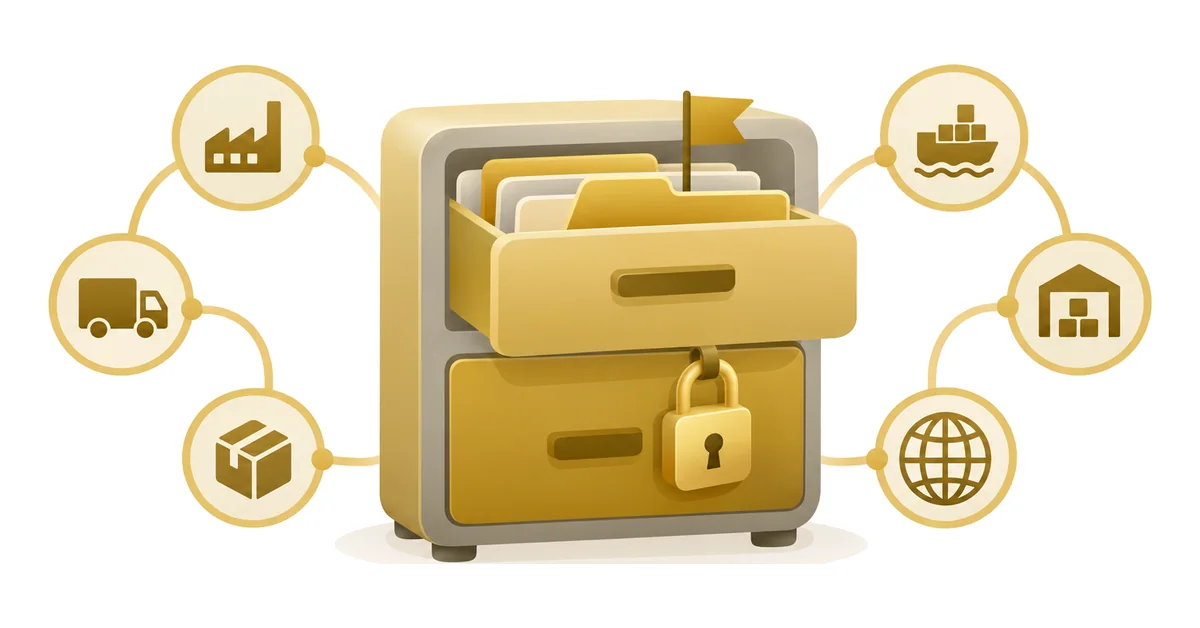
A filing cabinet with a padlock and one flagged folder, showing a supplier risk register review
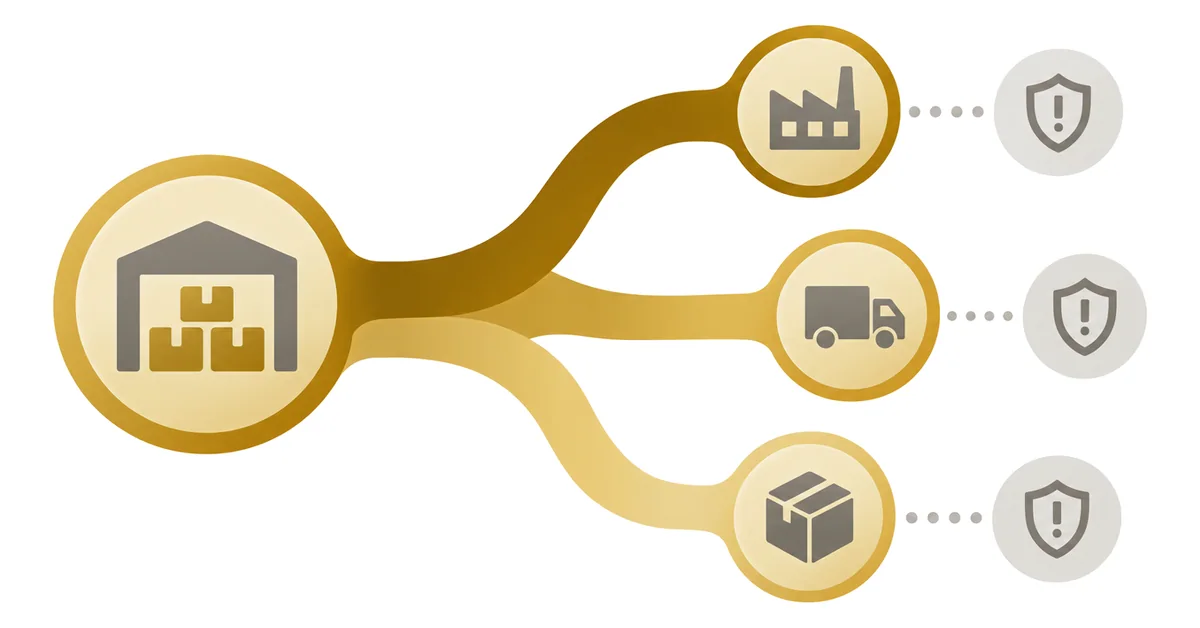
A path splitting into three branches that end in supplier nodes, showing backup sourcing options ready to use

Supply Chain Risk Management Consulting Results From Real Clients

40% Fewer Late Projects

“Our projects kept slipping and nobody could say why. Tavo set up a simple PMO, one status view and clear decision rights. Late deliveries dropped by two fifths in two quarters, and managers now spot trouble weeks before it hurts the budget.”

LJ
Laura JensenCOO, Regional Hospital Group

12 Processes Mapped, 8 Weeks

“Orders passed through six hands and nobody owned the whole path. Tavo mapped every step, removed the loops and wrote one-page procedures. Cycle time fell by a third, and new hires now learn the workflow in days instead of months.”

ME
Marcus EllisonPlant Manager, Components Manufacturer

5 Tools Cut to 1 Dashboard

“Project status lived in five spreadsheets and a shared inbox. Tavo moved us to one platform, set up automated weekly reports and trained the team. Monday status meetings now take 20 minutes, and everyone works from the same numbers.”

AH
Amira HaddadHead of Delivery, Hospitality Group

Your Supply Chain Before and After a Risk Program

Where the surprises come from today, and what changes.

Before a Risk Program

  • You learn about supplier problems from late deliveries
  • Backups share the same factory or port
  • Supplier data sits in emails and spreadsheets
  • Emergency buying and rush freight
  • No one owns a given risk

After a Risk Program

  • Early warnings reach the person who owns the risk
  • Single points of failure are known and reduced
  • One register your buyers keep current
  • Planned sourcing and sized safety stock
  • Every risk has an owner and a first step

Benefits of Supply Chain Risk Management Consulting

Why outside help pays off when you build resilience.

Shield iconYou Protect Revenue and Customers

When a critical part stays available, orders ship on time and customers keep trusting you. Protecting your top products first gives the biggest return from the smallest effort.

Clock iconYou React Faster

A current register and clear owners cut the time from bad news to decision. Your team knows which products are affected and what the options are, instead of starting a search.

Progress chart iconYou Spend Less on Emergencies

Planned second sources and right-sized stock cost less than rush orders and expedited freight. You also avoid the over-stocking that ties up cash for risks that never happen.

Target iconYou Make Better Sourcing Decisions

Risk scores sit next to price and quality in your supplier decisions. Buyers see the full cost of a cheap but fragile source before they sign a contract.

Supply Chain Risk Management Consulting Pricing and ROI

Every project gets a fixed quote after a free scoping step. This table shows what time savings alone can return, based on supplier checks that now take your team less time each.

Supplier checks per weekHours back per weekHours back per yearValue per year
25 8 hrs433 hrs$17,333
50Usual starting project 17 hrs867 hrs$34,667
100 33 hrs1,733 hrs$69,333

What to Expect Before Your Risk Project Starts

  • Hidden fees

    No Surprise Invoices

    You receive a fixed quote after scoping, with no hidden extras and no surprise invoices.

  • Work you do not need

    An Honest Fit Check

    If a full program is more than you need, you hear it on the first call, along with a smaller first step.

  • Vague status reports

    Direct Answers Throughout

    Short weekly notes tell you what is complete, what is blocked and what we need.

  • Slow turnarounds

    Your Plan in Writing After the Call

    Once we have talked, you receive a summary of priorities, timing and budget range you can pass on internally.

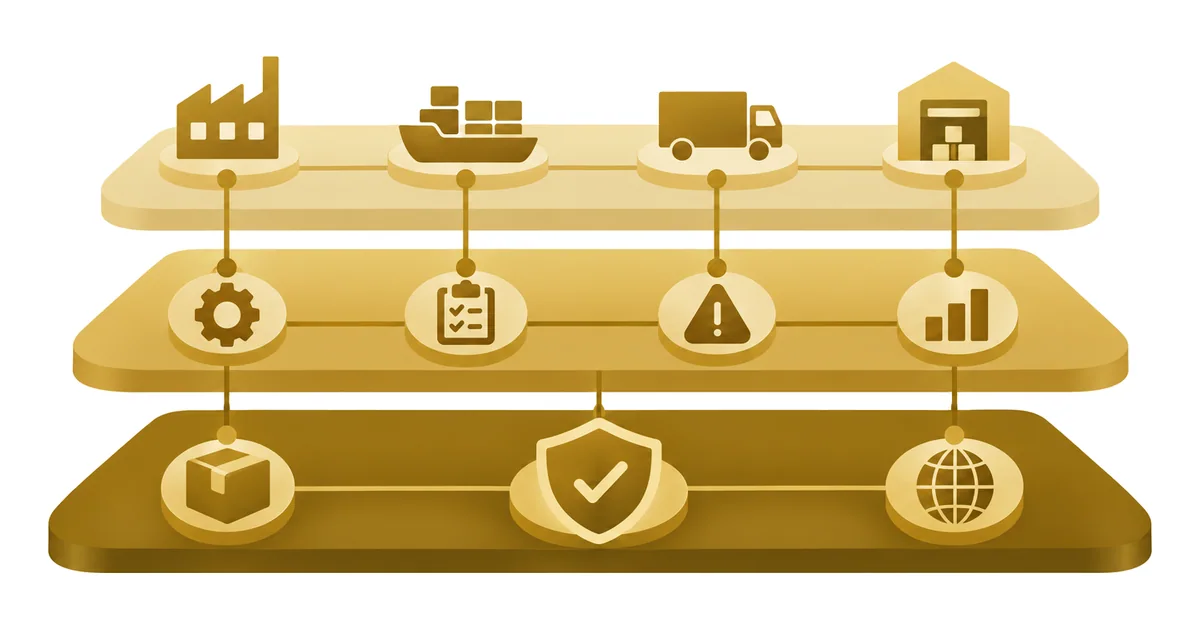
Three layered gold tiers with linked nodes, showing supplier mapping that goes beyond the first tier

Supplier Mapping That Goes Beyond Your First Tier

Your direct suppliers are only the start. Your consultant traces critical parts back to the plants, ports and sub-suppliers behind them, so hidden dependencies show up before they fail.

You focus the effort where it counts. Tier-two mapping is done for the parts that would stop your operation, not for every item on the bill of materials.

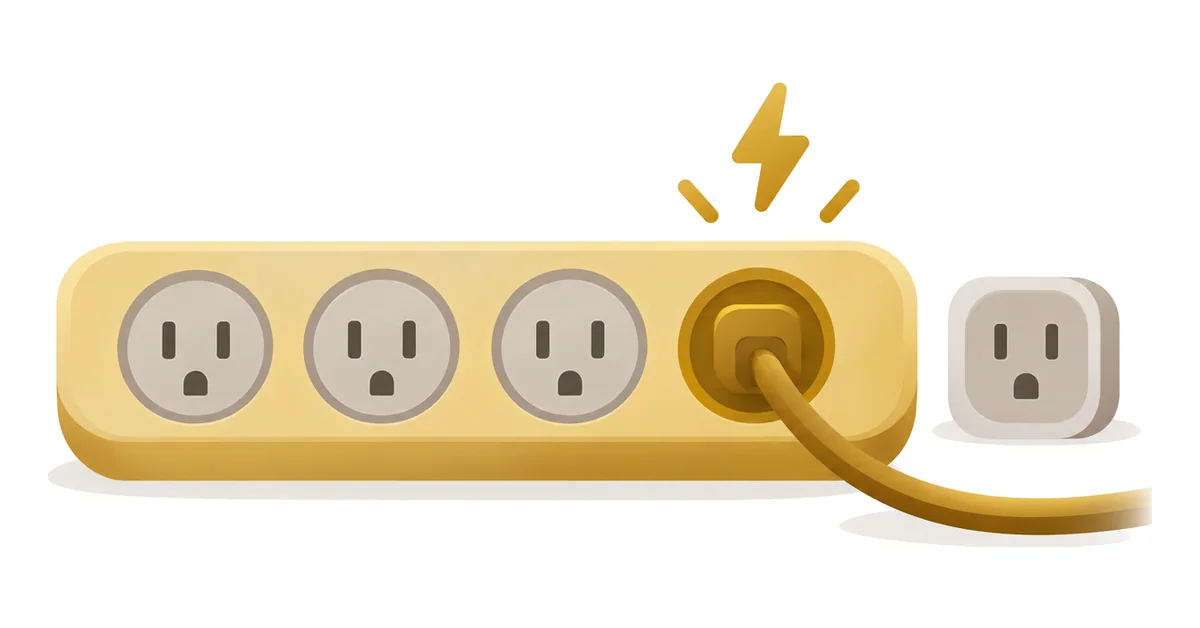
A power strip with one active gold plug and an unplugged one, showing a ready day-one response playbook

Response Playbooks Your Team Can Use on Day One

A playbook turns a stressful day into a checklist. For each top risk you get a trigger, an owner and the first three actions, written in plain language.

Your team practices them in short drills, so the first real call is not the first time anyone follows the steps.

Supply Chain Risk Management for Your Operation

Where risk work connects to the rest of your management system.

Enterprise Risk Management

Supplier risk is one part of the bigger picture. See how it fits with enterprise risk management consulting.

Compliance

Customers and regulators increasingly ask what you know about your suppliers. Learn more about compliance management consulting.

Quality

A supplier that slips on quality is also a supply risk. Explore quality management consulting for incoming parts.

Process Design

Risk controls only work when they fit how purchasing and planning already run. See business process management consulting.

How to Choose the Right Supply Chain Risk Management Partner

The right partner leaves you with a process your team runs, not a dependency on outside help. Before you sign, check that your partner can show you each of these:

  • A clear method for ranking suppliers by impact, not by spend alone
  • Experience with your type of operation, from plants to distribution
  • Practical fixes sized to each risk, not a long list of recommendations
  • One price agreed up front and no extras later
  • Monthly reporting on exposure, backup coverage and open actions

Also ask who owns the register after the project. You should receive full documentation and training, so the capability stays inside your business.

What You Can Count On From Your Risk Management Partner

  • Price agreement icon

    Fixed Quote Up Front

    Know exactly what you pay before any work starts.

  • Coin icon

    Affordable, Best-in-Class Work

    Everything from planning to rollout, at a budget that suits a first project.

  • Single point of contact icon

    Dedicated Account Manager

    One named lead who understands your work and responds fast.

  • Shield icon

    We Keep Your Data Safe

    Supplier and cost data handled with restricted access and NDAs on request.

Supply Chain Risk Management Consulting FAQs

What Does Supply Chain Risk Management Consulting Include?

It covers the full path from finding risks to managing them. You get a map of your suppliers and routes, a scored list of risks, a plan for the biggest ones, and a monitoring routine your team can run. Software selection and training are part of it when you need them, so the work keeps going after the project ends.

How Do We Know Which Suppliers Matter Most?

Your assessment ranks suppliers by what happens if they stop: lost revenue, how long a replacement takes and how many products depend on them. A small supplier of a single part can rank above your biggest vendor. You get that ranking in writing, so your team focuses on the dozen names that carry most of the exposure.

Do We Need Special Software to Manage Supply Chain Risk?

Not to start. Many companies begin with a supplier register and a simple scoring sheet, then add a monitoring platform once the process works. You see a software recommendation only if the numbers justify it, and the process stays the same whichever tool you pick.

How Long Does a Supply Chain Risk Assessment Take?

A focused assessment of your top suppliers usually takes a few weeks. The timeline depends on how many suppliers you have, how easy it is to get their data and how many sites are involved. You get a plan with dates after the discovery call, before any work starts.

Can You Help with Suppliers in Several Countries?

Yes. Your assessment looks at the country, port and transport route behind each supplier, not just the contract. Support is available in 5+ languages, which helps when you need to collect data from suppliers outside the United States.

How Much Does Supply Chain Risk Management Consulting Cost?

The price depends on the number of suppliers, sites and product lines in scope. You get a cost range on your free discovery call and a fixed quote after the scoping step. Most clients start with a limited assessment of their critical suppliers and expand once they see the results.

What Is the Difference Between Supply Chain Risk Management and Business Continuity Planning?

Business continuity planning prepares your response after something breaks, such as a plant outage. Supply chain risk management works earlier. It finds weak points in your supplier base, reduces them and watches for early warnings. The two fit together, and your consultant connects your risk register to your continuity plans.

Will This Slow Down Our Purchasing Team?

It should not. The work fits into how buyers already qualify and review suppliers. Your team gets a short checklist and a shared register, not a new approval layer. Training is short and written guides are included, so new buyers pick it up quickly.

How Do You Measure Whether Risk Is Going Down?

You agree on a few measures at the start, such as the share of critical parts with a second source, the time to find out about a supplier problem and the number of single points of failure. Your account manager reports them every month, so you can see whether exposure is falling.

Do You Offer Support After the Project?

Yes. Your dedicated account manager can keep reviewing the register, run quarterly check-ins and update your plan when suppliers or routes change. You also get documentation and training, so your team can run the process on its own whenever you choose.

Start Your Supply Chain Risk Project With a Free Plan

Get a free review of your top suppliers and a clear plan for the first step.

Talk to an Expert for Free

Set Up Your Free Intro Call

Your name is required.
Please use a valid email.
A short subject helps us route your message.
Tell us briefly what you want to achieve.