Summary
- Eight areas cover almost everything that decides how a dental practice performs.
- Each point needs one owner and a review date, otherwise it will not happen.
- Claims, collections and the schedule usually leak the most money, so check them first.
- Run a short monthly pass and a full quarterly pass instead of one big annual review.
Most dental practices do not fail at one big thing. They drift, a little each month, until the schedule has gaps, the aging report has grown and the team is stretched. The fix is a regular review, and a clear checklist makes that review quick. It is the same structure I use when I scope dental practice management consulting for a new client.
Work through the eight points below with your office manager. Tick what is in place, mark what is missing and assign each gap to a name and a date. Do not aim for perfect scores. Aim for a list of three fixes you will finish this month.
The Eight Points and Their Typical Owner
| Point | What it protects | Typical owner |
|---|---|---|
| 1. Schedule and patient flow | Production and chair time | Office manager |
| 2. New patient intake | First impression and growth | Front desk lead |
| 3. Treatment presentation | Case acceptance | Dentist and treatment coordinator |
| 4. Billing and collections | Cash flow | Billing lead |
| 5. Team roles and training | Stability and quality | Owner and office manager |
| 6. Software and reporting | Visibility | Office manager |
| 7. Safety and patient data | Patients and the practice | Designated safety lead |
| 8. Finances and goals | Profit and direction | Owner with accountant |
1. Schedule and Patient Flow
The schedule is the engine of the practice, and it is where production is won or lost each day. A good one is built around the procedures each provider needs to do, not around whoever called first.
- Each provider has a written daily production goal.
- High-value procedures have protected blocks in the schedule.
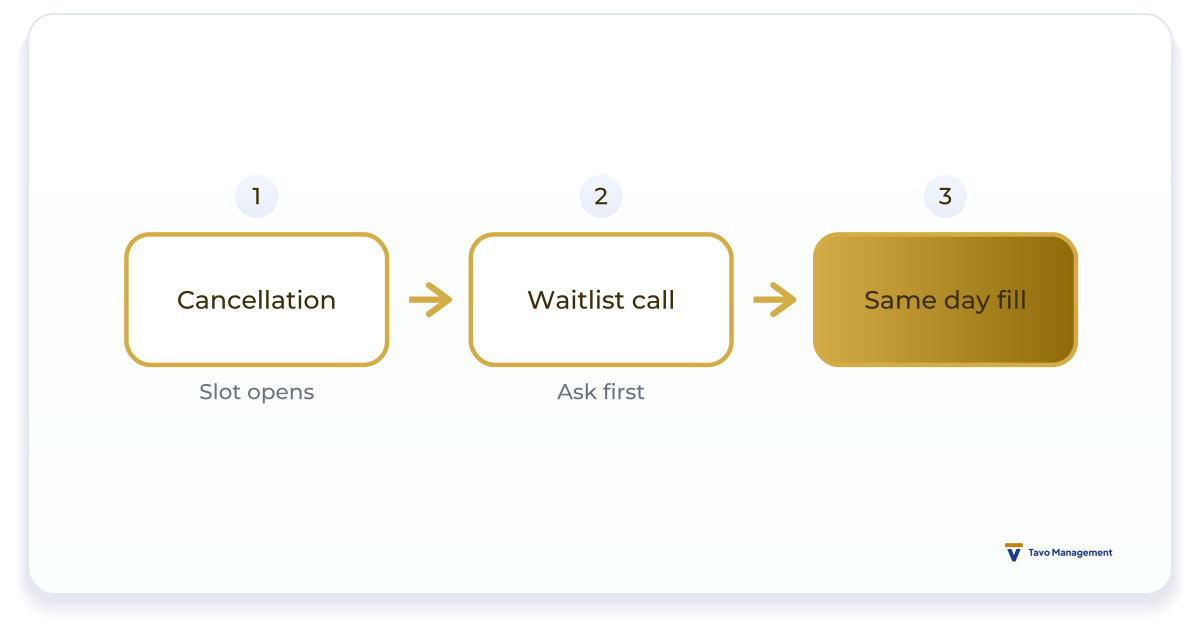
- A cancellation list exists, and one person owns it.
- Appointments are confirmed at least once before the visit.
- A morning huddle reviews the day, the gaps and the balances due.
If three or more of these are missing, expect open chair time on most days. A blocked schedule feels restrictive for a few weeks and then becomes the thing the team defends. My list of dental practice management tips goes deeper on how to build the blocks and the cancellation routine.
2. New Patient Intake
New patients form an opinion in the first phone call. A practice that answers within a few rings, explains the first visit clearly and has forms ready beforehand starts with trust. One that sounds rushed starts with doubt.
- A written phone script covers the first call, including how the patient heard about you.
- Forms can be completed online before the first visit.
- Insurance details are verified before the appointment.
- The patient knows the cost range and the length of the first visit.
- Calls that go unanswered are returned the same day.
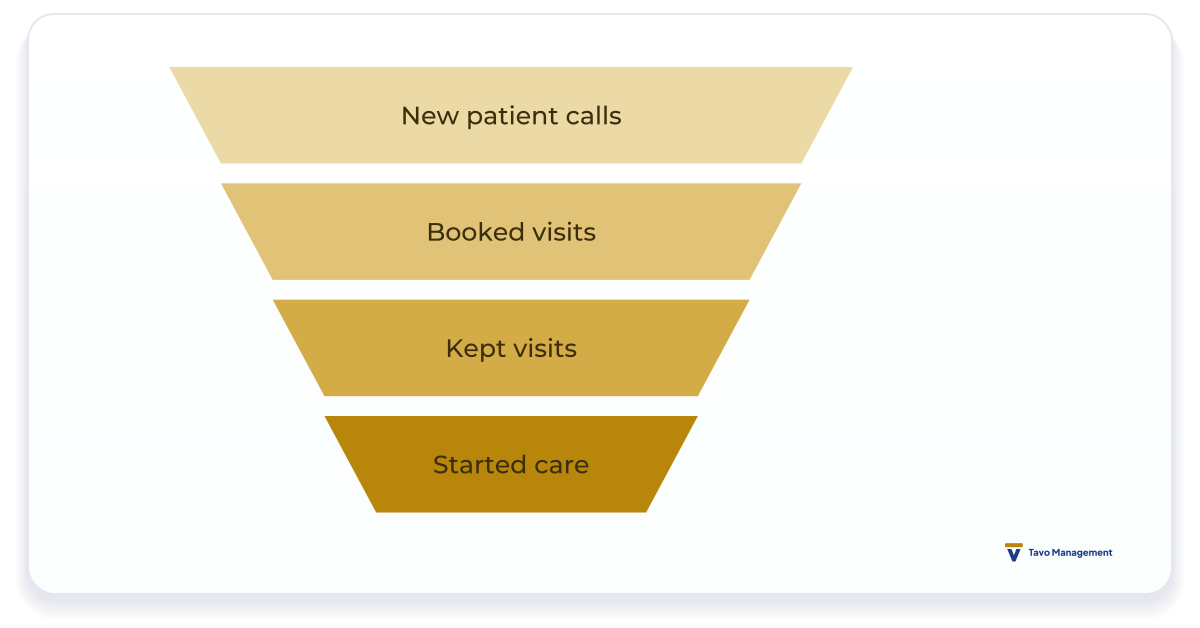
Track how many new-patient calls turn into booked visits, as well as how many reach a voicemail. In my client work, the gap between calls received and visits booked is often larger than owners expect, and it costs nothing to close.
3. Treatment Presentation and Acceptance
Accepted treatment is the raw material for your schedule. When patients say yes but never book, the practice has done the hard part and then lost the result.
- Everyone follows one structure when presenting a treatment plan.
- Written estimates show insurance and patient portions clearly.
- Payment options are offered for larger cases.
- Unscheduled treatment is reviewed weekly and followed up.
- Acceptance is tracked by provider and by treatment type.
4. Billing and Collections
Production does not pay your bills. Collections do. This point usually shows the most obvious gap, because the fixes are mechanical and the effect shows up in the bank balance within a month or two.
- Claims go out the day treatment is completed.
- Rejected claims are worked within two business days.
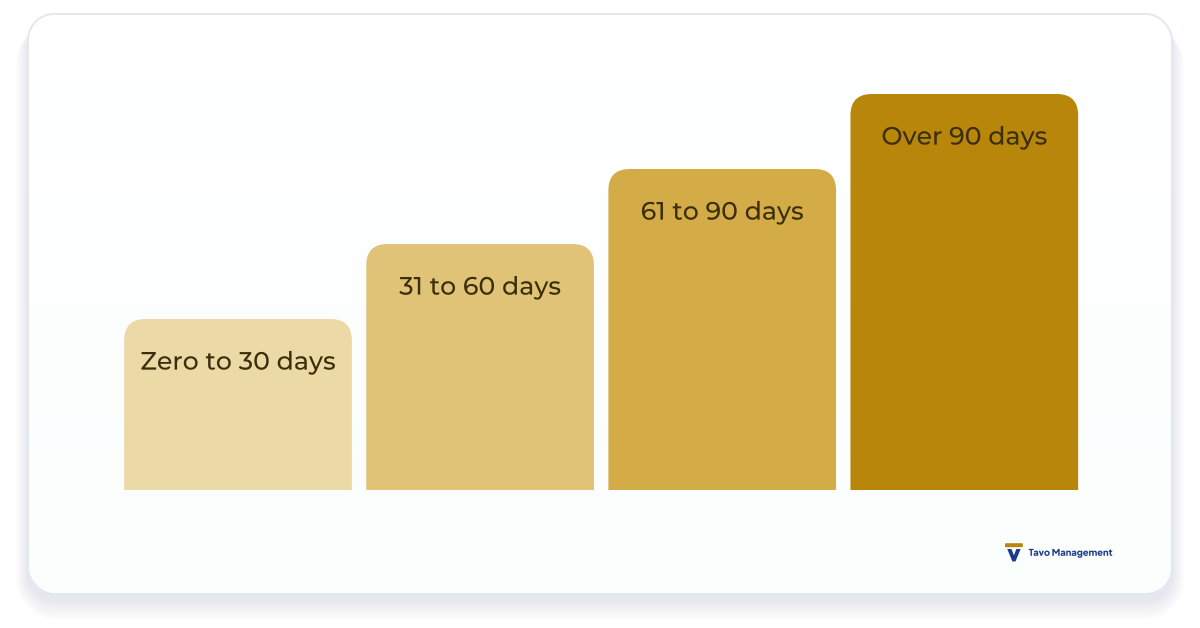
- An aging report is reviewed every week and each old claim has an owner.
- Patient portions are collected at checkout.
- A written financial policy is signed and given to every patient.
If this point is weak, read my breakdown of the numbers behind it in dental practice management metrics, where collection rate and aging receivables are covered with formulas.
5. Team Roles and Training
Teams get stuck when roles overlap or when nobody can say who owns a task. A good test is to ask any team member who is responsible for the aging report. If you get three different answers, you have a role problem.
- Every role has a one-page description with its main tasks.
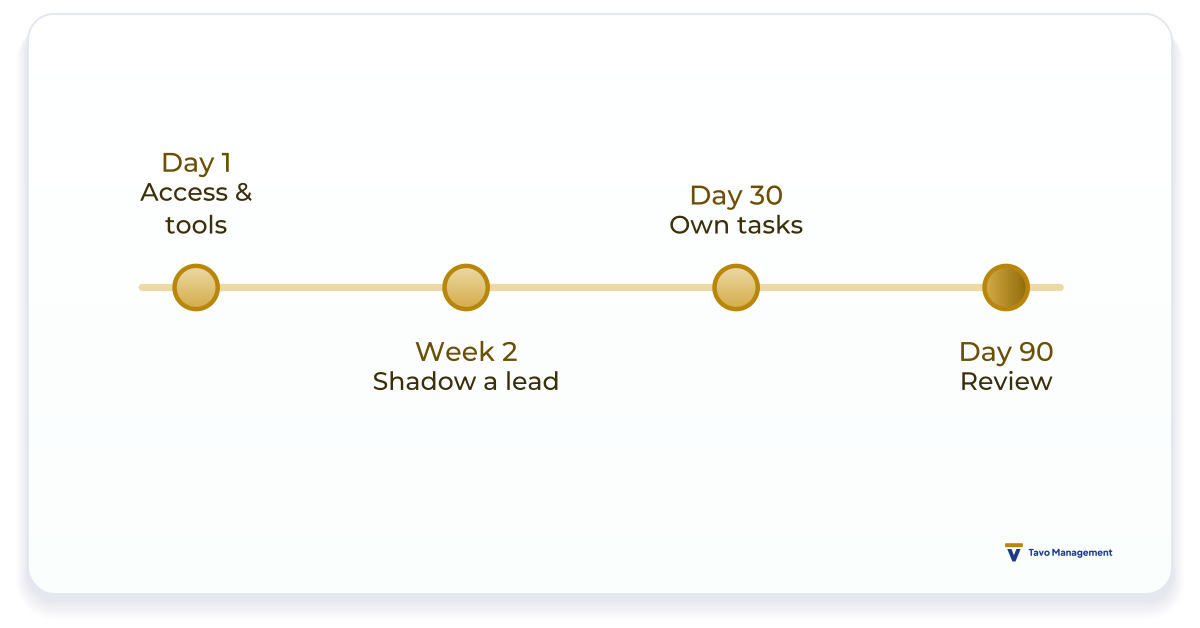
- New hires follow a written first-week plan.
- Each critical task has a named backup who has done it at least once.
- You hold a short one-on-one with each team member every month.
- Pay and hiring decisions are reviewed against the practice's goals.
Turnover is expensive, so it pays to treat the first ninety days seriously. A new front-desk employee who feels lost in week two is already thinking about leaving.
6. Software and Reporting
Most practices I see use only a fraction of what their system can do. The reports you need often exist already, but nobody has set them up. Before you replace a system, check what the one you have can produce.
- Production, collections and new-patient counts can be run in a few clicks.
- Recall and unscheduled treatment lists are generated automatically.
- User roles limit who can see or change financial data.
- Backups are tested, not just scheduled.
- Staff have had training on the system in the last year.
If your system truly falls short, compare options in my review of dental practice management software before you commit, and plan the switch for a quiet period.
7. Safety and Patient Data
Patient safety and data protection are part of management, not an afterthought. I am not a lawyer, and requirements depend on where you practice, so use this section as a prompt to check with your own adviser.
- Someone owns infection control and sterilization logs.
- Staff know what to do in a medical emergency, and the equipment is checked.
- System access is removed the day someone leaves.
- Paper and digital records are stored and disposed of according to a written routine.
- Vendors who touch patient data have signed the required agreements.
8. Finances and Goals
The last point ties the rest together. If you do not know your profit per chair hour or your overhead ratio, every other decision is guesswork. Sit down with your accountant at least twice a year.
- You have written goals for production, collections and new patients.
- Fees are compared with costs each year.
- Insurance plans are ranked by what they pay per chair hour.
- You know your overhead as a share of collections.
- A plan exists for equipment replacement and expansion.
Where several locations are involved, one shared scorecard makes comparison fair. If you want to see how the whole system fits together before you run the checklist, my dental practice management guide walks through it from zero to a routine that runs without you.
How to Score Your Results and Decide What to Fix
Count the checks you can honestly tick in each point. Be strict: a routine that exists only in somebody's head does not count. Then use the table below to decide your next step.
| Checks ticked in a point | What it usually means | Next step |
|---|---|---|
| 0 to 2 of 5 | The area runs on habit and memory | Make it a priority this month |
| 3 of 5 | The basics exist, but gaps show up under pressure | Fix the missing two within a quarter |
| 4 to 5 of 5 | The area is under control | Review it every quarter |
Pick the weakest two points and write one sentence for each: what will change, who owns it and by what date. Share the page with your team, because a list the owner keeps alone rarely survives a busy week.
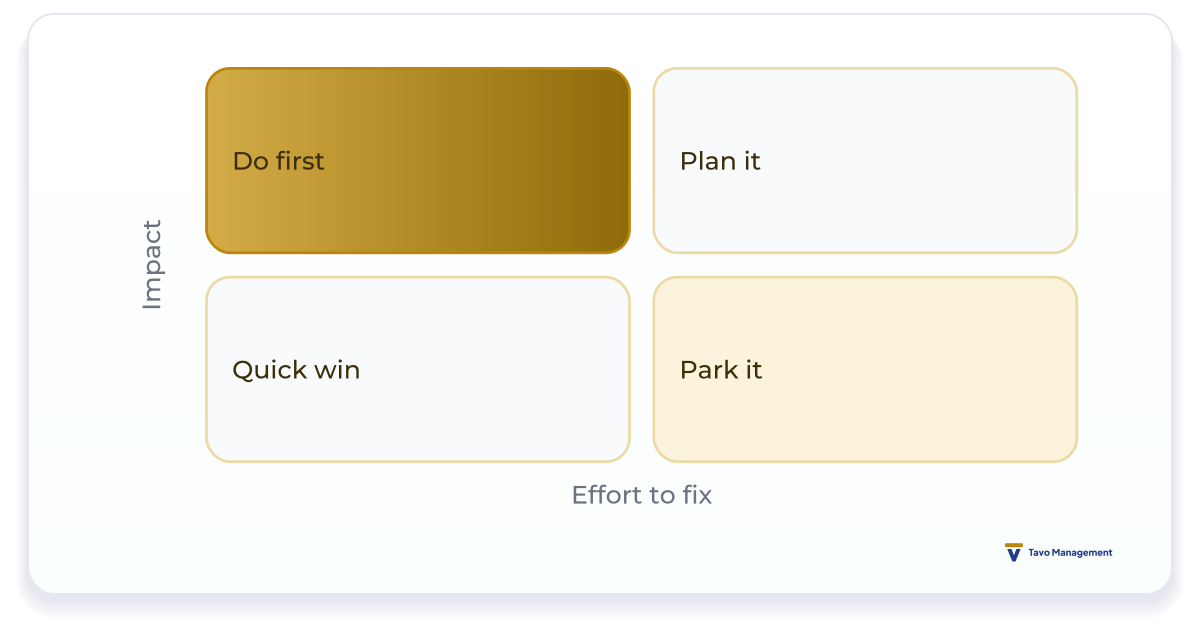
Here is how that looks in a typical case. A four-chair practice scores 2 of 5 on billing, 3 of 5 on the schedule and 4 of 5 on everything else. The owner picks billing first and assigns same-day claims and a weekly aging review to the billing lead. Six weeks later, the aging report is half as long, and the owner turns to the schedule. Nothing dramatic happened. Two routines were written down and one person owned each of them.
Resist the urge to fix everything the same week. Teams can absorb only so much change before they fall back on old habits, so a short list that gets finished beats a long list that gets abandoned.
How to Use the Checklist Over Time
The first pass is the hardest, because it reveals everything at once. After that, a monthly review takes about thirty minutes. Keep it short and keep it on the calendar.
- Review points 1, 4 and 6 every month.
- Review points 2, 3 and 5 every quarter.
- Review points 7 and 8 at least twice a year.
- Keep a dated copy of every pass, so you can see the trend.
If the same points fail each time, the list is telling you something. Either the owner has no authority, the routine is too complicated or the system works against the team. That is when an outside view helps.
Questions About Using a Practice Management Checklist
How Often Should I Run Through a Dental Practice Management Checklist?
I suggest a full review once per quarter and a short version, covering schedule, claims and cash, every month. The quarterly pass catches slow drift, such as an old fee schedule or an outdated job description. The monthly pass keeps the money moving. Put both on the calendar, because checklists nobody schedules never get used.
Who Should Own the Checklist in My Practice?
One person owns the list and each point has its own owner. In a small practice the owner is often the office manager, and you review the results with her or him monthly. If you own it yourself, you will end up as the bottleneck, which defeats the purpose.
What Is the First Point I Should Fix?
Fix whichever point leaks money fastest. For most practices I see, that is claims and collections, because late or unsent claims turn directly into missing cash. If your cash flow is fine but days feel chaotic, start with the schedule and the morning huddle instead.
Does This Checklist Apply to a Solo Dentist?
Yes. A solo practice still has a schedule, claims, patients and a handful of staff. The points stay the same and the owners are fewer. You may combine some roles, but you should still write down who does what, so a sick day does not stop the practice.
Can Software Run This Checklist for Me?
Software can remind, report and automate parts of it, such as recall lists and aging reports. It cannot decide your priorities or coach your team. A good setup uses the system for the numbers and your people for the follow-up.
How Long Does It Take to Get a Practice Fully Through All Eight Points?
Plan on three to six months for a practice that starts from scratch. Most teams can handle one or two points a month without hurting daily work. Rushing all eight in a week usually leads to a binder nobody uses.
When Is a Checklist Not Enough?
When the same items fail quarter after quarter, the problem is usually people, incentives or the system itself, not the list. That is the moment an outside review pays off, because it finds the cause behind the repeated failures.
General information only: this is not legal, financial or tax advice. Examples and numbers reflect typical projects; check the specifics with your advisers before deciding.
Did you find this helpful?
Thank you for your feedback.
Delaney Brisco
Delaney leads the Tavo editorial team and works with our consultants to turn real client projects into practical guides on project delivery, process design and organizational change. Before joining Tavo, she spent 12 years in operations and program management roles. She has since edited more than 300 articles on management practice and reviewed PMO setups and process redesigns from over 100 client projects. She is based in Minneapolis, Minnesota.