Summary
- Property management covers six areas: leasing, residents, rent, maintenance, accounting and compliance.
- Your management agreement is the most important document, so define scope, fees and spending limits in it.
- Fix your process before you choose software, because tools copy habits.
- Growth shifts your work from doing tasks to designing standard procedures and reading KPIs.
Property management looks simple from the outside: collect rent, fix things, keep owners happy. In practice, you run a small business inside someone else's asset, with legal rules, tight margins and people who call at night. This guide walks you from the basics to the practices of larger managers, in the order you will need them.
I wrote it for people who manage rentals, whether you own the units, run a small firm or are about to start. If you want someone to look at your own setup, a property management consulting review applies everything below to your numbers.
What Property Management Covers
Property management is the day-to-day operation of real estate on behalf of an owner, or on your own behalf. The work falls into six areas: marketing and leasing, resident relations, rent collection, maintenance, accounting and reporting, and legal compliance. Each area has its own tasks, deadlines and risks.
A manager's income usually comes from a fee, often a percentage of collected rent, plus leasing and other service fees defined in the agreement. Your agreement sets the scope, the fee and what you can spend without asking the owner, so it is the most important document you hold. Rules for licensing and fees vary by state, and you should confirm what applies to you.
Self-Management, Small Firm or Full-Service: Which Model Fits
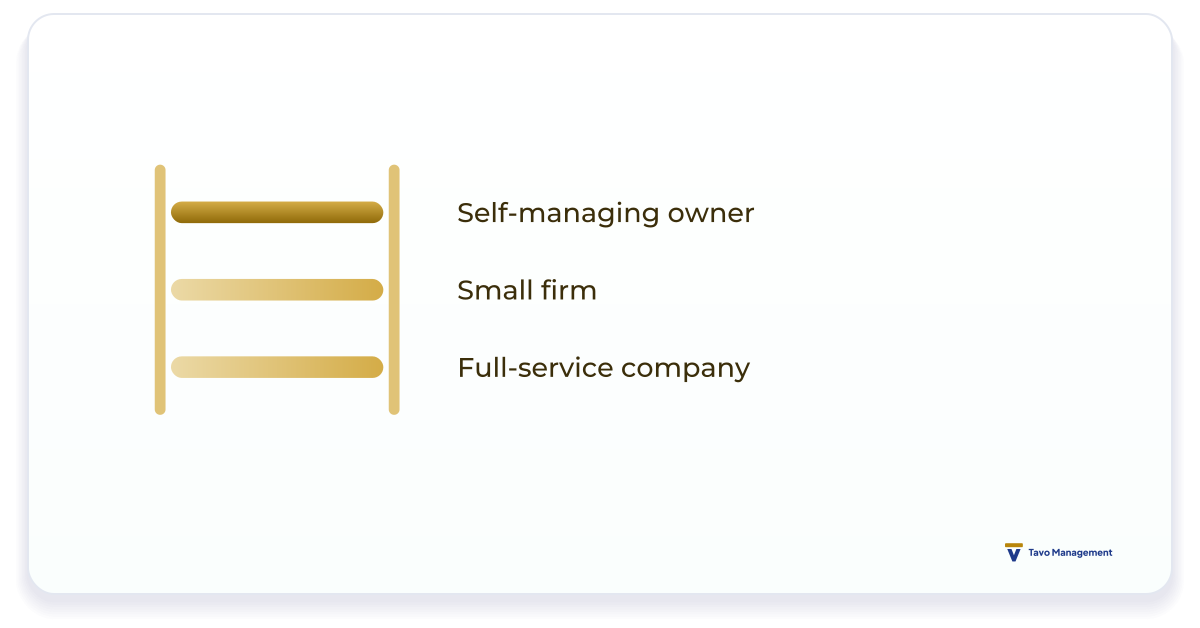
Before you set up processes, decide which model you are running. The work looks different for each one.
| Model | Typical size | Main strength | Main risk |
|---|---|---|---|
| Self-managing owner | 1 to 20 units | Full control and no management fee | Your time becomes the bottleneck |
| Small management firm | 20 to a few hundred doors | Personal service and flexible fees | Processes live in people's heads |
| Full-service company | Several hundred doors and up | Specialized roles and scale | Layers of handoffs and slow decisions |
The size ranges are rough, based on what I see in client work. Your own limit shows up when you spend more time reacting than planning. That moment is when processes pay back.
Marketing and Leasing: Filling Units at the Right Rent
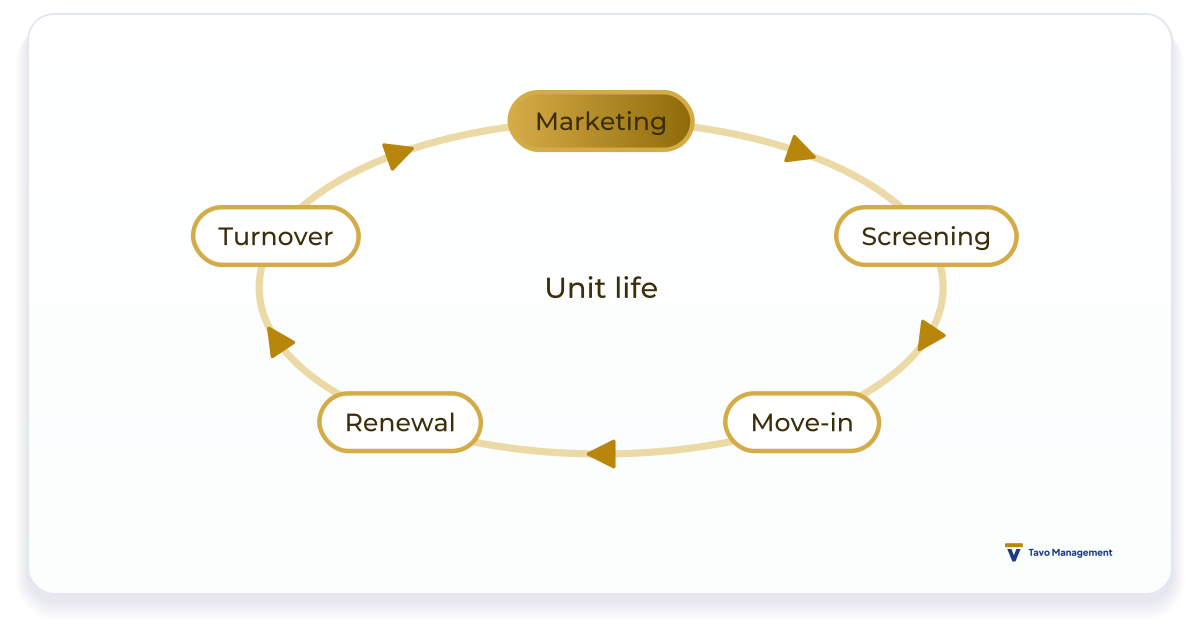
Leasing starts before the unit is empty. A resident's notice triggers photos, a listing and showing slots while the unit is still being cleared. Price from comparable listings nearby, not from the last rent, and review the price after two weeks without applications.
Screening comes next. Set written criteria for income, credit and rental history, apply them to every applicant in the same way and keep the records. Fair housing rules limit what you may ask and how you may decide, so have your criteria reviewed by an attorney. In my work I see most leasing delays come from slow application review, so a clear service level for decisions helps.
Resident Relations and Renewals
Good resident relations are mostly about being predictable. Residents want to know how to pay, how to report a repair and when they will hear back. A welcome packet on move-in day covers most of it. After that, the best retention tool is fixing things fast.
Start renewal conversations about 90 days before the lease ends. Check open repairs first, then offer a renewal at a fair rent. Every turn you avoid saves cleaning, repair, marketing and vacancy cost, as the numbers in my guide to property management KPIs make clear.
Rent Collection and Delinquency
Make paying easy and late payment visible. Online payment, automatic reminders and a fixed due date remove most of the friction. Apply late fees as your lease and local rules allow, and apply them the same way every time. Check the current rules for fees and notices where you operate.
When a balance ages, act early. A call on day two settles more than a notice on day twenty. Write down the escalation steps so every staff member follows the same ones.
Maintenance: Preventive, Routine and Emergency
Maintenance is the biggest cost after the mortgage and the biggest driver of resident satisfaction. Sort requests into three classes. Emergencies, such as a burst pipe or no heat, need an immediate response. Routine repairs get a target date. Preventive work follows a calendar, such as filters, detectors and gutters.
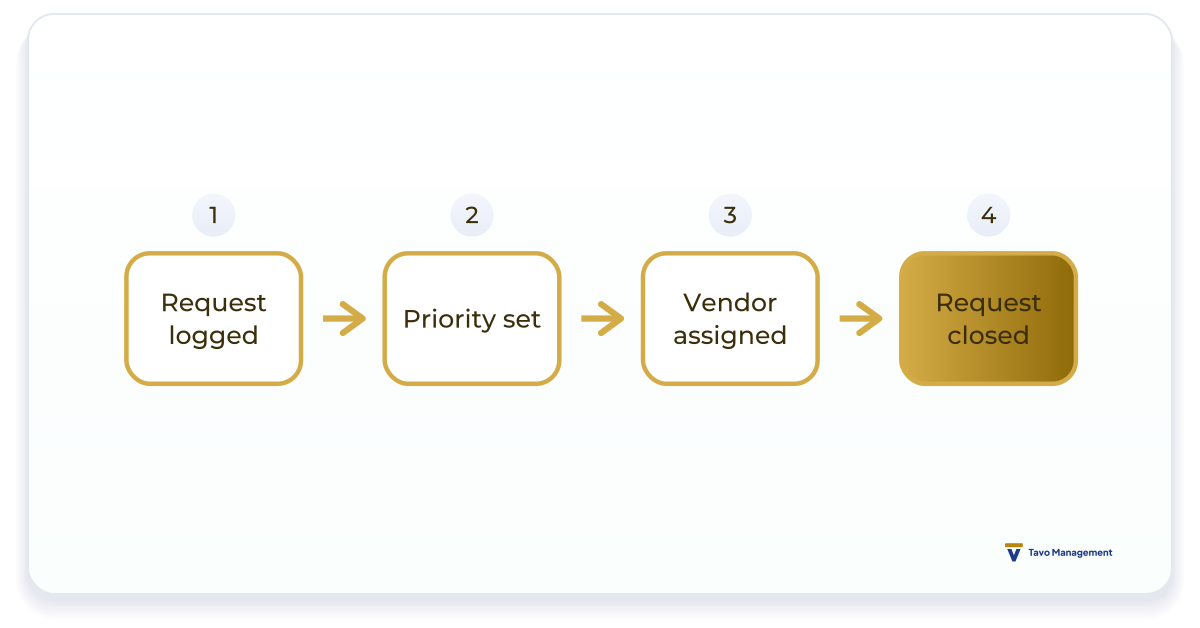
Use one intake channel and give every request a priority and a due date. Set a spending limit that your staff can approve without the owner and write it in the management agreement. Keep a short list of vendors for each trade, with licenses and insurance on file. The details of a workable queue are in my property management best practices article.
Accounting and Owner Reporting
Keep owner money separate from your own, and reconcile every account every month. Trust accounting rules differ by state, so ask your accountant what applies to you. Send owner statements on a fixed date with a short note on anything unusual.
A statement should show income, expenses, fees and the amount sent to the owner, with a one-line explanation for any large expense. Owners rarely complain about bad news explained on time. They complain about surprises.
Where the Money Goes: Income and Costs
A manager's revenue usually has three parts: the monthly management fee, leasing fees on new tenants and smaller charges for services such as inspections or renewals. Your costs are staff, software, insurance, marketing and vendor coordination. Many small firms underprice because they ignore the cost of their own time, so count hours per unit before you set fees.
| Income source | What drives it | What to watch |
|---|---|---|
| Management fee | Collected rent and the fee in the agreement | Vacancy lowers it directly |
| Leasing fee | Number of new leases signed | Slow leasing delays the income |
| Service fees | Inspections, renewals, project oversight | Define them in the agreement |
The practical lesson: your income depends on the owner's rent roll. Every vacant day and every uncollected dollar reduces your fee as well as theirs, which aligns your interests with the owner's when you track the right numbers.
Building Your Team
Your first hire is usually a leasing or administrative assistant, and your second is a maintenance coordinator. Write a one-page role description and a standard procedure for each, and give new hires a shadowing week. Cross-train for absences, because rent collection and emergency calls do not stop when someone is sick. As the team grows, give each person a short list of numbers to own, such as days vacant for the leasing agent and response time for the coordinator.
Software and Systems
You can run a small portfolio on a spreadsheet and a shared inbox. At some point, usually past a few dozen units, the mistakes cost more than software. Look for rent collection, accounting, maintenance tracking, owner reports and document storage in one place. My comparison of property management software covers pricing and fit for each size of portfolio.
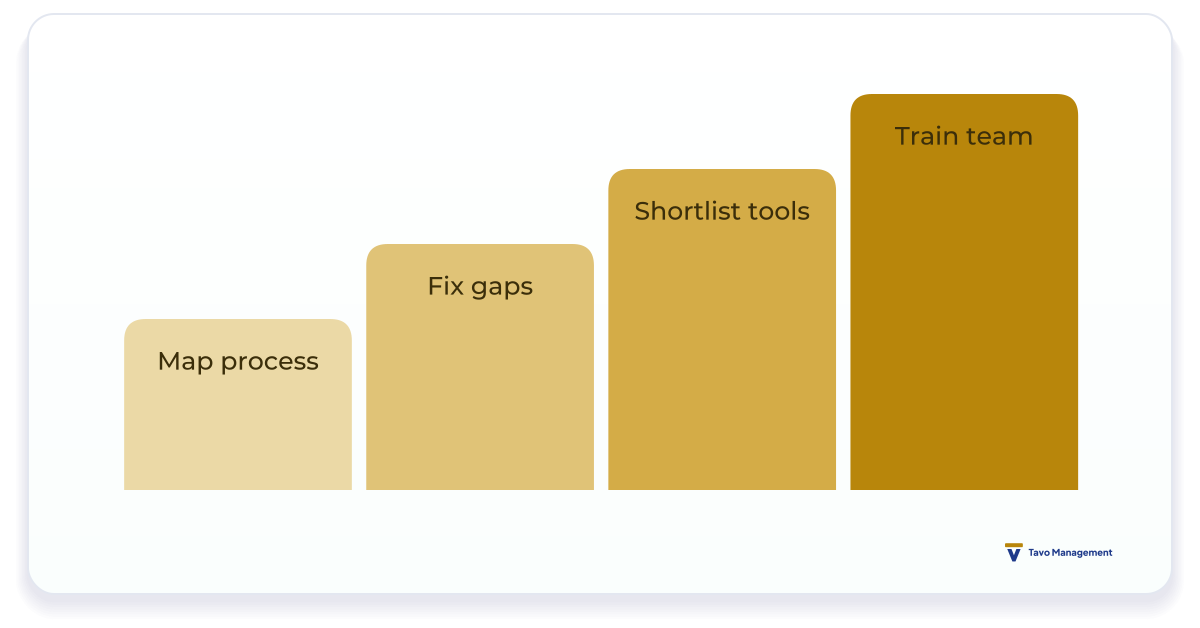
Fix your process before you pick a tool. Software that copies a messy process gives you a faster mess. Write down how a move-in and a repair should work, then choose the system that supports it.
Legal Compliance and Risk
Landlord-tenant law, fair housing rules, deposit handling, notices, licensing and habitability standards all differ by location. This guide does not replace an attorney. What it can tell you is how to organize: keep a calendar of required notices and renewals, store signed documents in one place and review your lease template once a year with a local attorney.
Insurance also belongs here. Owners, vendors and your firm each need the right coverage, and you should keep certificates on file. The twelve checks in my property management checklist give you a way to confirm all of it.
From Basics to Advanced: What Changes as You Grow
Beyond a few hundred doors, the work shifts from doing to designing. You hire specialists, write standard procedures and watch numbers instead of tasks. Advanced managers do four things differently:
- They standardize move-in, move-out and repair steps across all properties.
- They review a short KPI dashboard every month and act on it.
- They automate routine messages and reminders, with a person reviewing exceptions.
- They plan capital work with owners a year ahead, not after a failure.
The current direction of the industry, from AI tools to stricter screening, is summarized in my article on property management trends. Use it to decide what to adopt and what to ignore.
Records, Documents and Data Hygiene
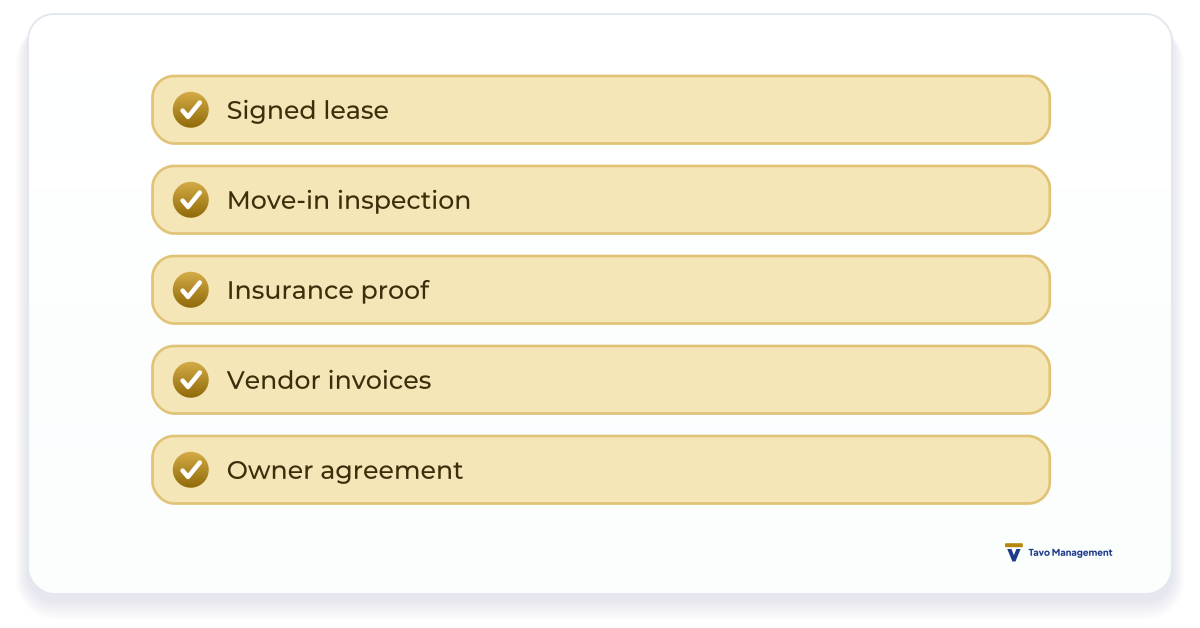
A portfolio runs on documents: agreements, leases, inspection reports, invoices and notices. Give every document one home, name files in a fixed pattern (property, unit, document type, date) and keep the retention period your jurisdiction requires. Clean data is also what makes every KPI and report trustworthy later, so it pays to be strict early.
Keep a short list of the files that must exist for every unit, and check it whenever a unit turns. That small habit catches missing signatures before they matter.
Five Mistakes New Managers Make
Looking at the typical first-year problems, five show up most often. First, a vague management agreement that leaves the spending limit and the fee scope open. Second, no written screening criteria, which leads to inconsistent decisions. Third, mixing owner and operating money. Fourth, accepting maintenance requests through every channel and tracking none. Fifth, buying software before the process is written down. Each one is cheap to prevent and expensive to repair once a dispute starts.
Your First 90 Days: A Starting Plan
In the first month, collect every agreement, lease and insurance certificate into one place and reconcile your accounts. In the second month, write down the move-in and repair steps and set up one maintenance queue. In the third month, choose six KPIs, build a dashboard and start the monthly review with owners. If you want help with any of these steps, the consultants at Tavo run them with you.
Questions About Property Management
What Does a Property Manager Do?
A property manager handles marketing and leasing, resident relations, rent collection, maintenance, accounting and legal compliance for a rental property. The agreement with the owner defines the scope, the fee and the spending limits.
How Much Does Property Management Cost?
Fees vary by market, property type and service level. Most agreements define a percentage of collected rent plus separate leasing or setup fees. Read the agreement carefully and compare what each fee covers.
When Should I Hire a Property Manager Instead of Self-Managing?
When your time becomes the bottleneck, when you live far away or when the number of units makes missed repairs and late rent more costly than the fee. Run the numbers on your hours and your vacancy before you decide.
What Is the Most Important Part of Property Management?
Maintenance and consistent communication matter most to residents and owners. Behind them sit accurate accounting and clear agreements, which protect everyone when something goes wrong.
Do I Need a License to Manage Property?
Licensing rules differ by state and sometimes by city, and they depend on whether you manage for others. Check the current requirements with your state's real estate authority or a local attorney.
Which Software Should I Use?
It depends on your unit count and the number of owners you report to. Small landlords often start with free tools, and professional managers choose platforms with accounting and owner reporting. Fix your process first.
How Do I Improve a Poorly Run Property?
Start by measuring days vacant, collection rate and work order response time. Fix the biggest gap first, usually vacancy or maintenance, and set one owner and one deadline for each fix.
General information only: this is not legal, financial or tax advice. Examples and numbers reflect typical projects; check the specifics with your advisers before deciding.
Did you find this helpful?
Thank you for your feedback.
Delaney Brisco
Delaney leads the Tavo editorial team and works with our consultants to turn real client projects into practical guides on project delivery, process design and organizational change. Before joining Tavo, she spent 12 years in operations and program management roles. She has since edited more than 300 articles on management practice and reviewed PMO setups and process redesigns from over 100 client projects. She is based in Minneapolis, Minnesota.