Summary
- AI use among property management companies rose from 20% to 58% in one year, but results depend on the workflow around it.
- Maintenance drives owner satisfaction and resident renewals, so your work order queue is a retention tool.
- 93% of companies report higher costs, which makes a software and vendor review worthwhile.
- Standardize your processes before you add doors, because growth plans are outrunning operations.
Property management is moving quickly. Costs are up, residents expect faster answers, and software vendors add AI features every quarter. The useful question for you is which shifts change how you run your portfolio, and which ones are noise. A good property management consulting project starts with that sorting, and this article does a version of it for you.
I looked at the 2026 industry research from Buildium, which surveys property managers, owners and renters each year, and added what I see in client work. Each trend below says what is changing, what it means for a manager with a real portfolio and what you can do this quarter.
The 9 Trends at a Glance
| Trend | What is changing | First move for you |
|---|---|---|
| 1. AI adoption | AI use in property management companies rose from 20% to 58% in a year | Pick one workflow, such as resident messaging |
| 2. Cost pressure | 93% of companies reported higher expenses | Audit software and vendor spend |
| 3. Growth plans | 75% plan to grow, 55% did | Standardize before you add doors |
| 4. Maintenance | The top reason owners hire a manager | Build one request queue |
| 5. Rental fraud | 75% reported more fraud | Tighten document checks |
| 6. Owner service | 74% of owners put customer service first | Set a reporting rhythm |
| 7. Resident retention | Maintenance investment keeps uncertain renters | Track response time |
| 8. Partial automation | Only 8% fully automated any process | Automate one handoff end to end |
| 9. Compliance | 33% of owners hire a manager for it | Document how you comply |
1. AI Adoption Went From Experiment to Routine
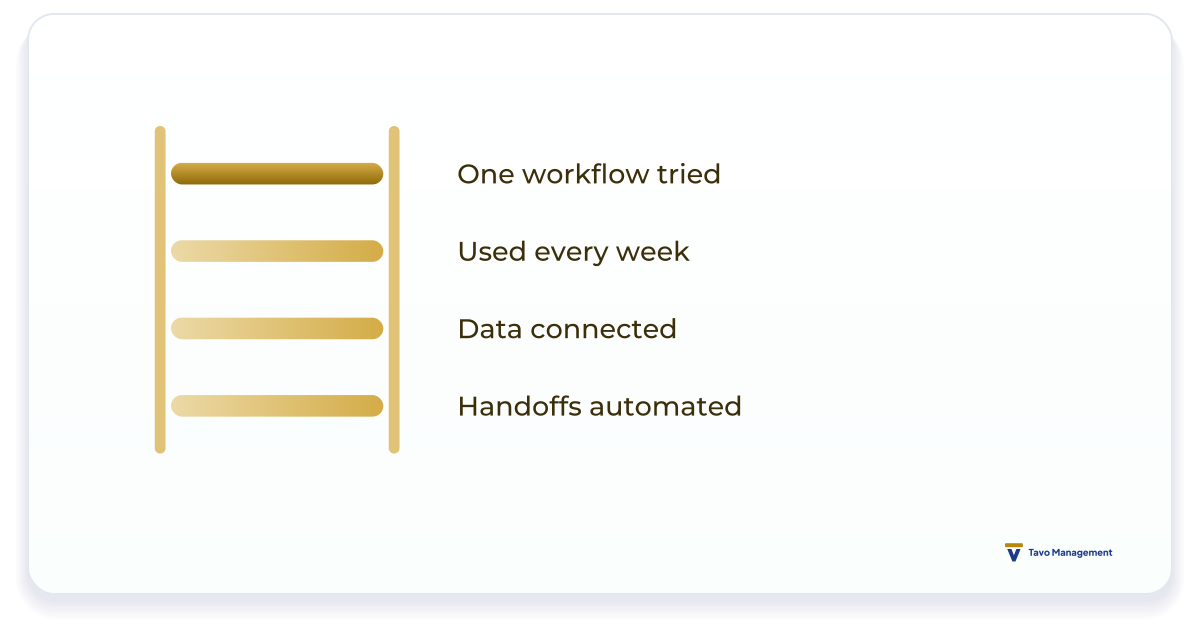
Buildium's surveys show AI use among property management companies rising from 20% to 58% in one year. That is a fast shift for an industry that took a decade to move from paper leases to online rent. The most common uses I see are drafting resident replies, summarizing lease documents, writing listings and sorting maintenance requests.
Fast adoption does not mean good adoption. In my client work, teams that buy an AI feature without changing the workflow around it save very little time. The ones that gain something choose one repeatable task, measure it before and after and keep a person responsible for the output. Your property management software vendor probably ships AI features already, so start by switching on what you pay for before you buy anything new.
2. Cost Pressure Forces a Software and Vendor Review
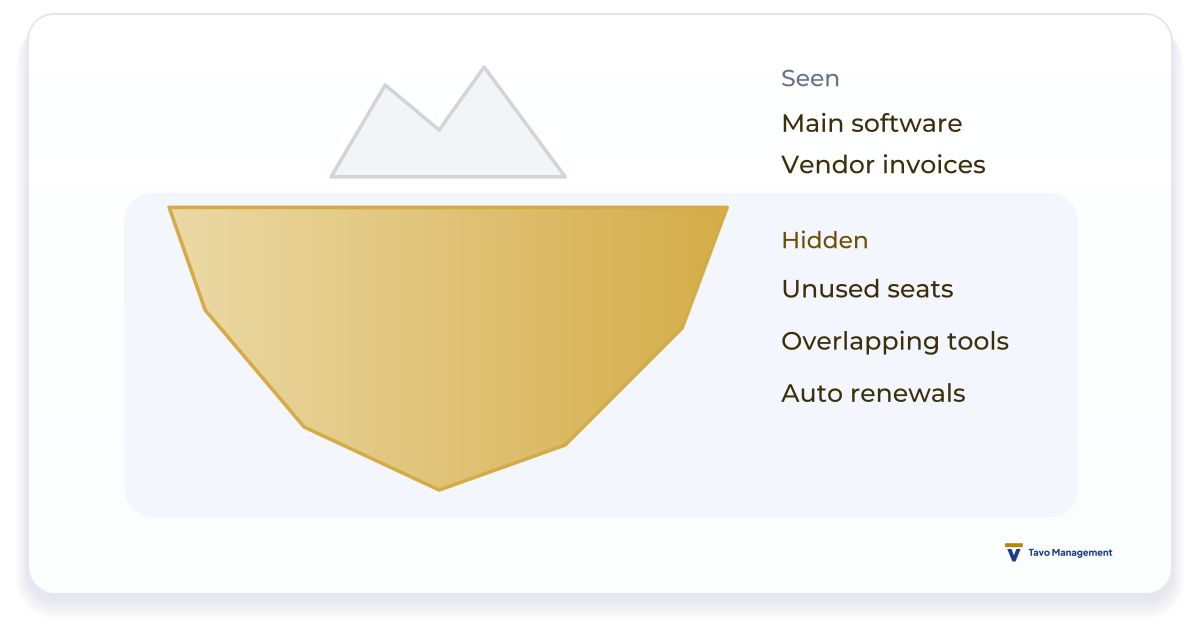
In the same research, 93% of property management companies reported higher expenses over the past year, and half plan to cut costs by adopting new tools or using current ones better. Insurance, labor and repair costs all moved up, and you cannot negotiate most of them away.
What you can control is the stack of tools you pay for. Many managers carry two or three overlapping subscriptions: a leasing tool, a screening service, a separate maintenance app and the main platform. Before adding anything, list each tool, its monthly cost and who uses it. I usually find one or two that nobody opens. A plain tracking sheet is enough, and the metrics in my guide to property management KPIs give you the baseline you need to judge whether a tool earns its cost.
3. Growth Plans Outrun Operations
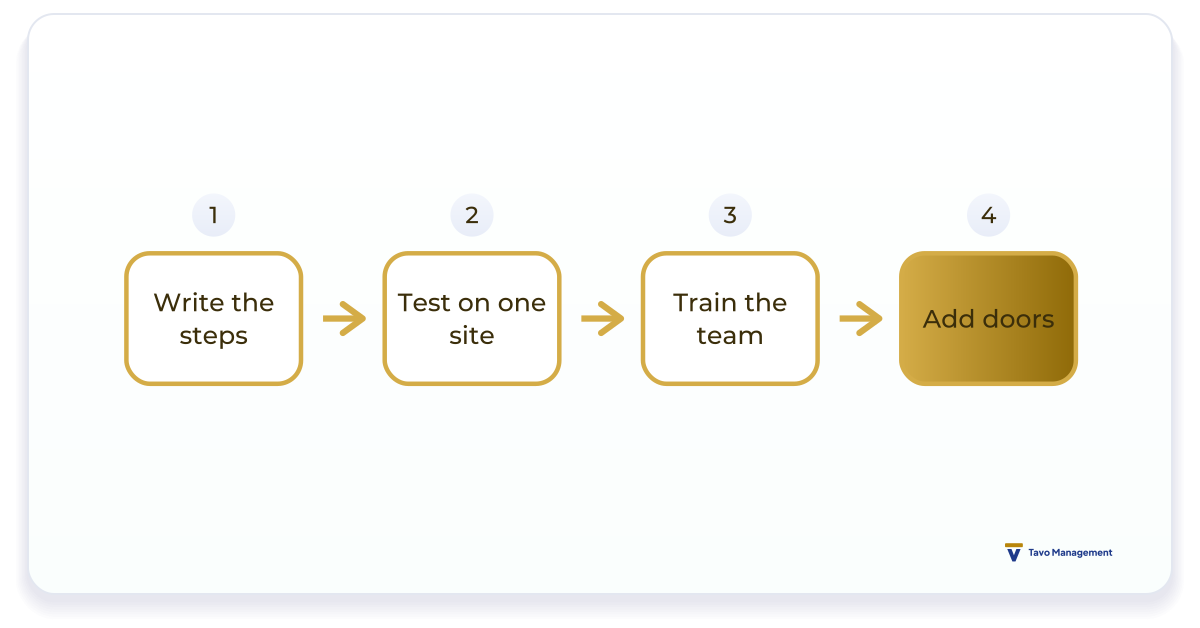
Buildium reports that 75% of property management companies plan to grow their portfolios next year, but only 55% grew in the past year. The gap says a lot. Most firms want more doors, and many cannot add them, partly because their process does not scale. Each new property adds its own lease terms, vendors and owner expectations.
My advice is to standardize before you scale. Write down how a move-in works, how a repair gets approved and what a monthly owner report contains. When a new site follows the same steps, onboarding takes days instead of weeks. Referrals from current clients remain the top growth method in the research, which makes service quality your cheapest sales channel.
4. Maintenance Decides Whether Owners Stay
According to Buildium's surveys, 56% of owners who use a manager do so for expert help with maintenance, and maintenance is also owners' top source of stress. Residents feel the same: 40% of renters who are unsure about renewing say they would stay if the property received more maintenance investment, and 31% would stay if managers responded faster to requests.
That makes your work order queue a retention tool. A single intake channel, a priority rule and a due date on every ticket close most of the gap. The details of a workable queue are in my property management best practices article. Some firms respond to cost pressure by taking maintenance in house, and Buildium found 15% plan to do so. That can work at scale, but price in tools, trucks and on-call coverage before you decide.
5. Rental Fraud Makes Screening a Daily Task
In a RealPage study cited by Buildium, 75% of property management companies reported an increase in rental fraud. Forged pay stubs, edited bank statements and stolen identities are the usual forms, and AI tools make fake documents easier to produce. Tenant quality has also been the top challenge for managers two years in a row.
The practical response is layered. Verify income with a source other than the document the applicant hands you, check identity in person or by a trusted verification service and make the same checks for every applicant so you stay consistent. I would also train leasing staff to spot patterns, such as identical fonts across documents from different employers. Screening rules are tied to fair housing law, so confirm your process with your legal adviser.

6. Owners Buy on Service, Not Just Price
Buildium's latest owner survey found that 74% of owners say customer service experience is their primary consideration when choosing a manager. Fee levels still matter, but a manager who answers within a day and sends a clear statement on the same date every month stands out.
You can act on this without new software. Pick a reporting date, keep it and tell owners what to expect in the first week of onboarding. Track how long owner emails sit unanswered. When I review a portfolio, slow owner replies are often the first sign of a process problem further back, such as late bank reconciliation. The reporting side of this is covered in my property management guide.
7. Resident Retention Replaces Heavy Marketing
Filling a unit costs more than keeping a resident. Cleaning, lost rent, marketing and staff time add up with every turn. Buildium notes that only 57% of renters can currently pay all their bills on time and in full, so retention also reduces the risk of a weaker next tenant.
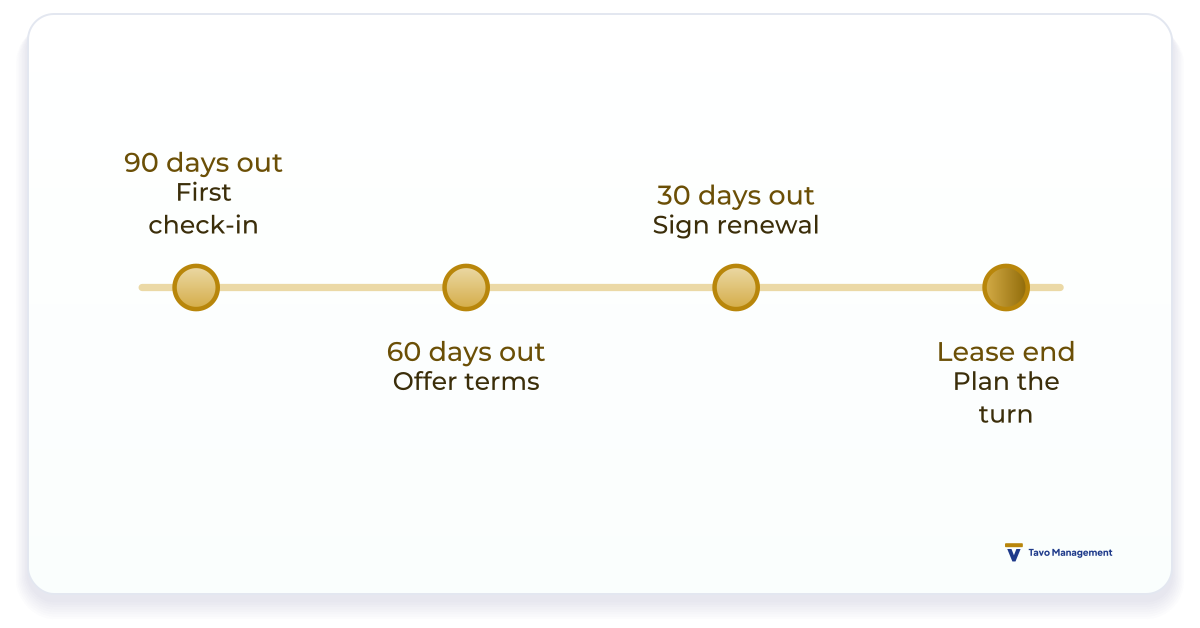
Renewal outreach works best when it starts early, about 90 days before the lease ends, and when it fixes known issues first. A resident who waited three weeks for a repair will not renew because of a discount. Pair renewal reminders with a maintenance check so you can offer the repair before the conversation.
8. Most Automation Is Still Partial
The same 2026 report says only 8% of companies have fully automated any processes. Most use software for pieces, then fall back on email and spreadsheets for the handoffs. That leaves real time savings on the table.
I suggest you choose one process and automate it end to end, from trigger to record. Late rent reminders are a good first one: the system sends the notice, records the response, applies the fee rule and flags the account for a call. Once one flow works, copy the pattern. The vendor comparison in my overview of property management software shows which platforms handle this natively.
9. Compliance Is a Reason to Hire a Manager
Buildium reports that owners hiring a manager for regulatory compliance rose from 21% in 2021 to 33% in 2025. Rules on deposits, notices, habitability and fair housing vary by state and city, and they change. Owners know they cannot track that alone.
For you, this means documenting how you comply: who sends notices, where the lease templates live and who reviews changes in local rules. I recommend an annual review with a local attorney. Nothing in this article is legal advice, and you should check the current rules in each place you operate.
One more point before the ranking. Trend reports describe averages, and your portfolio is not an average. A manager with 40 single-family homes across three towns faces different pressure than one with a 200-unit complex. Check each trend against your own numbers first, for example your maintenance backlog or your delinquency aging, and skip the trends that your data says are not a problem for you yet.
What to Do First, and What Can Wait
You cannot act on all nine trends at once. I would rank them by how fast they pay back. Maintenance, owner service and one automated flow come first, because they affect revenue and retention directly. Software cleanup and fraud controls come second. AI experiments come third, unless a tool you already own includes them. A short quarterly review against the property management checklist helps you check that the basics hold while the trends move.
Sources
- Buildium, 2026 Property Management Industry Trends
- Buildium, 2026 Property Management Industry Report
Questions About Property Management Trends
What Are the Biggest Property Management Trends Right Now?
The biggest shifts are faster AI adoption, rising costs, growth plans that outrun operations and heavier pressure on maintenance and screening. Buildium's 2026 research shows AI use in management companies rising from 20% to 58% in a year, and 93% reporting higher expenses.
Is AI Replacing Property Managers?
No evidence points that way. AI handles drafting, sorting and summarizing, while people still handle judgment calls, inspections and owner relationships. The managers who benefit are the ones who pair AI with clear processes and review the output.
How Can I Reduce Costs in Property Management?
Start with a list of every software subscription and vendor contract. Remove overlaps, use features you already pay for and standardize maintenance approval limits. Buildium's research shows half of managers plan to cut costs by adopting tools or using current ones better.
Why Is Maintenance Such a Big Deal for Owners?
Buildium's surveys show 56% of owners who use a manager hire one for maintenance help, and maintenance is their top source of stress. Repairs also drive resident renewal decisions, so a reliable queue protects both owner satisfaction and occupancy.
How Do I Protect My Portfolio from Rental Fraud?
Verify income through a source other than the applicant's own documents, confirm identity with a trusted method and apply the same steps to every applicant. Train leasing staff to spot altered documents, and check your screening rules with your legal adviser.
Should I Automate My Property Management Processes?
Yes, one process at a time. Pick a frequent, rule-based task such as late rent reminders, fix the steps on paper first and automate it end to end. Only 8% of companies have fully automated any process, so there is room to gain.
How Often Should I Review Property Management Trends?
Once a quarter is enough. Check your own KPIs, review one trend and decide on one action. Constant chasing of every new tool tends to cost more than it returns.
General information only: this is not legal, financial or tax advice. Examples and numbers reflect typical projects; check the specifics with your advisers before deciding.
Did you find this helpful?
Thank you for your feedback.
Delaney Brisco
Delaney leads the Tavo editorial team and works with our consultants to turn real client projects into practical guides on project delivery, process design and organizational change. Before joining Tavo, she spent 12 years in operations and program management roles. She has since edited more than 300 articles on management practice and reviewed PMO setups and process redesigns from over 100 client projects. She is based in Minneapolis, Minnesota.