Where Should We Start with Compliance Management?
Start with a plain list of the rules, contracts and standards that apply to your business, and who in your company answers for each one. Most organizations find gaps right there: duties nobody owns, or two teams covering the same one. Your first call and compliance assessment turn that list into a ranked plan, so the first project tackles the highest-risk gap and not the loudest one.
Do You Give Legal Advice?
No. Compliance management consulting covers how your business organizes, monitors and proves its compliance work: ownership, controls, evidence, training and reporting. Questions about what a specific law requires of you go to your lawyer. Your consultant works alongside your legal counsel and turns their answers into procedures your team can actually follow.
How Long Does It Take to Set Up a Compliance Program?
It depends on how many rules apply to you and how much is already in place. You get a timeline with your ranked plan after the assessment, before anything is built. Work is delivered in stages, so a first usable version of your obligations register, owners and review calendar is in your hands early, and you refine it while the program runs.
Do We Need Compliance Software?
Not always. A small business with a handful of obligations can run well on a shared register, a calendar and a folder structure. Software starts to pay off when you manage many obligations, several sites or regular audits. You get an honest answer on this during the assessment, and any tool recommendation comes with the reasoning in writing.
How Much Does Compliance Management Consulting Cost?
The price depends on the number of obligations, locations and existing documentation. You get a realistic range on your free discovery call and a fixed quote after the assessment, so there are no surprises later. Most first projects are scoped small on purpose: one business area or one standard, finished before the next one starts.
How Do You Work with Our Own Team and Our Lawyers?
Your people stay the owners. Your consultant interviews the people who do the work, drafts the procedures with them and checks the wording with your counsel where a rule needs interpretation. Everything is handed over in plain documents your team can maintain, with training for the people who carry the daily duties.
What Is the Difference Between Compliance Management and Risk Management?
Compliance management makes sure you meet obligations that are set for you, such as regulations, contract terms and your own policies. Risk management looks wider and asks what could go wrong for your business, including things no rule covers. The two overlap, and a good program shares one register, one set of owners and one reporting rhythm between them.
How Do You Prove the Program Works?
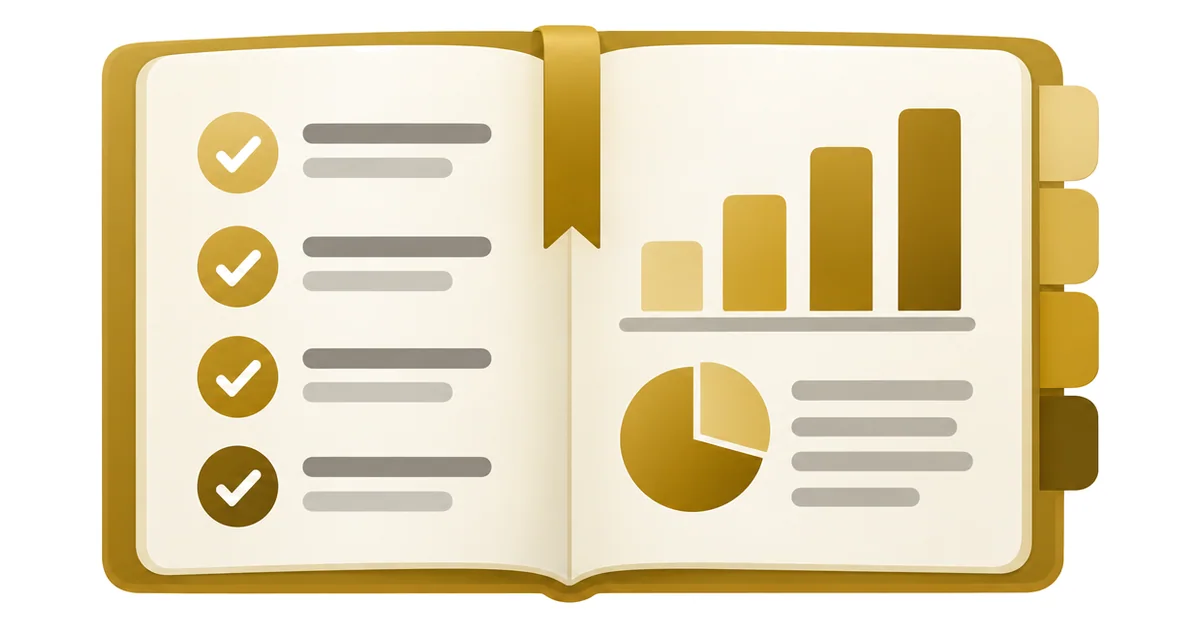
You get evidence you can show: current owners, completed reviews, training records, tested controls and a log of issues and how they were closed. A monthly report tracks open items, overdue tasks and findings from internal checks. When an auditor or customer asks questions, you pull the answers from one place instead of searching inboxes.
Do You Support Us After the Program Is Set Up?
Yes. Your dedicated account manager reviews the register with you on a regular rhythm, helps when rules or your business change and keeps the evidence in shape ahead of audits. Support is available in 5+ languages. You also receive full documentation and training, so your team stays in control.
 You have proof on demand