Summary
- Most programs fail on ordinary friction such as unclear owners and long registers, not on method.
- Ownership is the cheapest challenge to fix and the one that unlocks the others.
- Numeric limits and a decisions list turn reports into action.
- Run the first cycle in a spreadsheet and choose software after your process is agreed.
Most enterprise risk management programs do not fail because of a wrong method. They fail because of ordinary friction: busy managers, unclear owners, too many risks and too little follow-up. The ten problems below are the ones I see most often in enterprise risk management consulting, with a fix for each.
Read them as a diagnostic. If you recognise three or more, the checklist will show where to start, and the best practices explain the repair in detail.
The 10 Challenges at a Glance
| Challenge | How it shows up | First fix |
|---|---|---|
| 1. Managers See Risk Work as Extra Paperwork | Late or missing updates | Shorter requests |
| 2. Scores Cannot Be Compared Across Departments | Departments dispute the ranking | One shared scale |
| 3. Nobody Owns the Risk | Overdue actions with no one to call | Named owners |
| 4. The Register Grows Too Long | Leaders skim the register | Cap at 15 to 40 |
| 5. Risk Appetite Stays Vague | Boards cannot judge a decision | Numeric limits |
| 6. Data Is Scattered and Out of Date | Reviews take days to prepare | One measure per risk |
| 7. Reports Do Not Lead to Decisions | Meetings end without decisions | Decisions list |
| 8. Tools Arrive Before Process | Months spent on configuration | Spreadsheet first |
| 9. The Program Depends on One Person | Updates stop when one person leaves | Document and train a deputy |
| 10. Leadership Attention Fades After the First Year | Review slots get cancelled | Tie to an existing meeting |
10 Enterprise Risk Management Challenges and How to Fix Them
The first four are about people and structure, the middle three about information, and the last three about keeping the program alive.
1. Managers See Risk Work as Extra Paperwork
The first reaction I hear in kickoff workshops is a polite version of "we already have a day job". Risk requests that arrive as long forms feed that view. Managers give more when they see the benefit, such as a budget request that was approved because a risk was on the register. Some of this is also a design problem, which the enterprise risk management examples show how to avoid.
What to do: Ask for little: one short update per quarter from each owner, pre-filled with last quarter's text. Close the loop by telling owners what leaders decided because of their input.
2. Scores Cannot Be Compared Across Departments
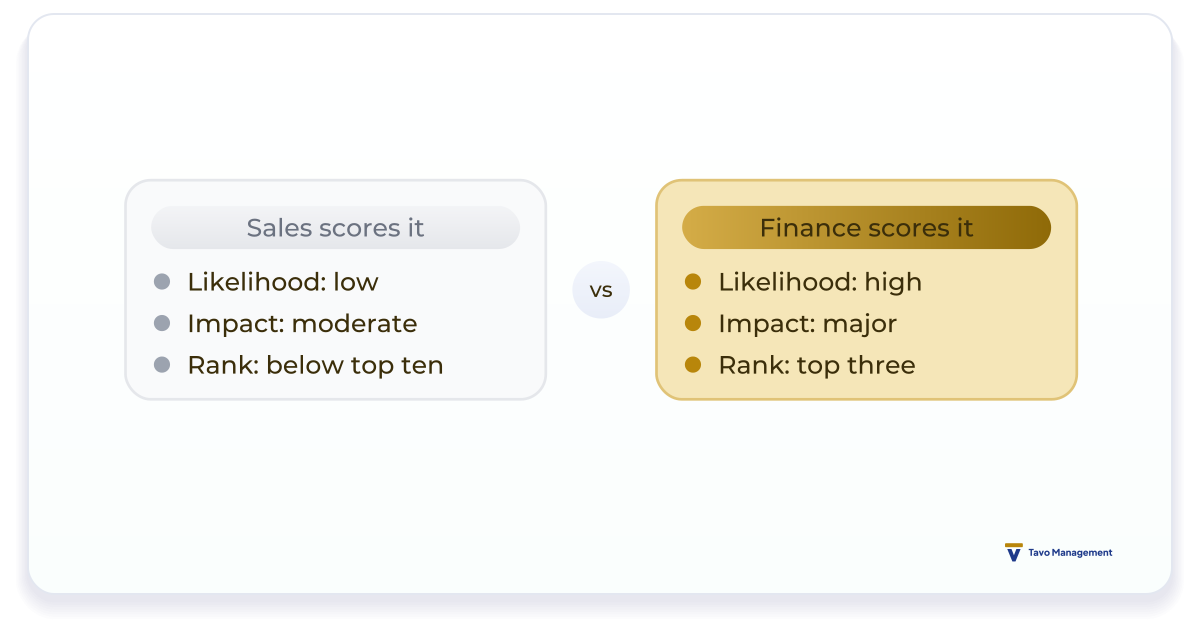
Finance counts money, IT counts downtime and operations counts days. A risk rated 4 in one department is a 2 in another, so the top of the list reflects the harshest scorer. Leaders then stop trusting the ranking.
What to do: Publish one scale with plain definitions and test it in a workshop on three real risks per department. Adjust wording until two teams score the same event the same way.
3. Nobody Owns the Risk
Registers often list a committee, a department or the risk manager as owner. Then nobody acts. In one engagement I reviewed, more than a third of the entries had a group in the owner column and no action in the previous year.
What to do: Name one person with authority per top risk and tell them in writing. Review ownership after any reorganization.
4. The Register Grows Too Long
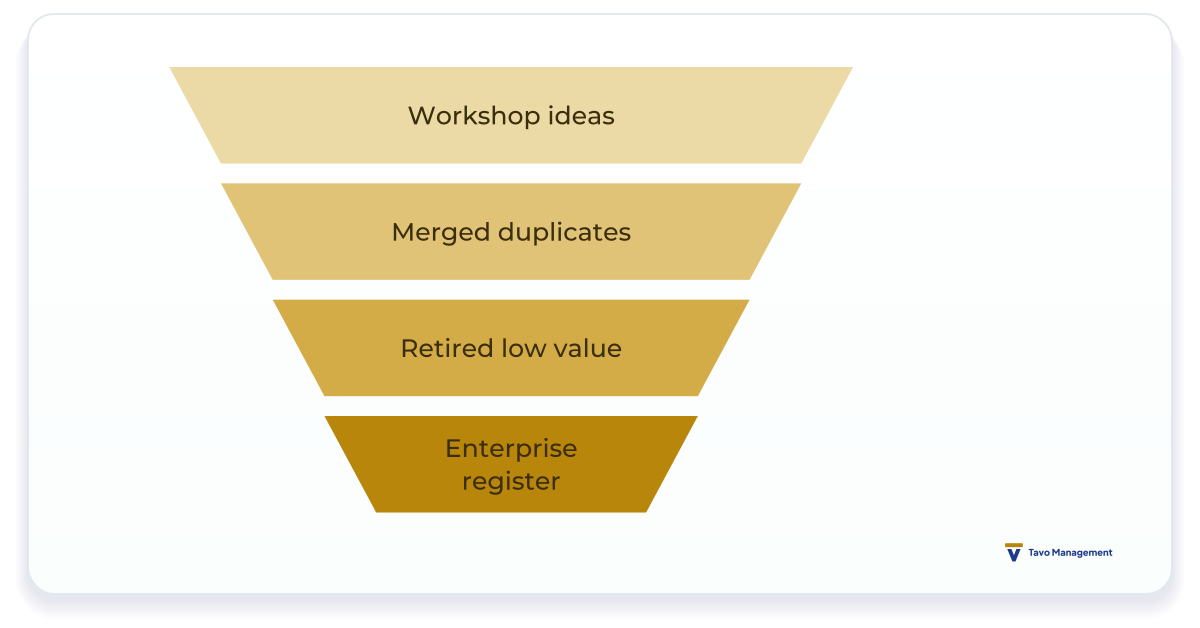
Every workshop adds items and nothing gets removed. Leaders stop reading at around fifty lines, and the important items hide in the pile.
What to do: Cap the enterprise register at 15 to 40 risks. Keep detail in departmental lists and roll up only what could affect results. Retire items with a date, not by silence.
5. Risk Appetite Stays Vague
Statements such as "moderate appetite for growth risk" give nobody a rule. Executives interpret them differently, and the board cannot tell whether a decision is inside the limit.
What to do: Translate appetite into three to five numeric limits with an amber level, such as maximum share of revenue from one customer. Test them against the last two years of data.
6. Data Is Scattered and Out of Date
Incident logs sit in one system, audit findings in another and supplier data in a third. Collecting them for a review takes days, and by then they are stale.
What to do: Pick one measure per top risk and agree the data source. Automate the simple pulls first and accept manual input for the rest. For a deeper look at the numbers, see the enterprise risk management KPIs.
7. Reports Do Not Lead to Decisions
Beautiful dashboards sometimes hide the lack of a decision. If the report ends without a request such as approve, fund or accept, leaders nod and move on.
What to do: End each report with a short list of decisions needed and the date they are due. Track how many were made.
8. Tools Arrive Before Process
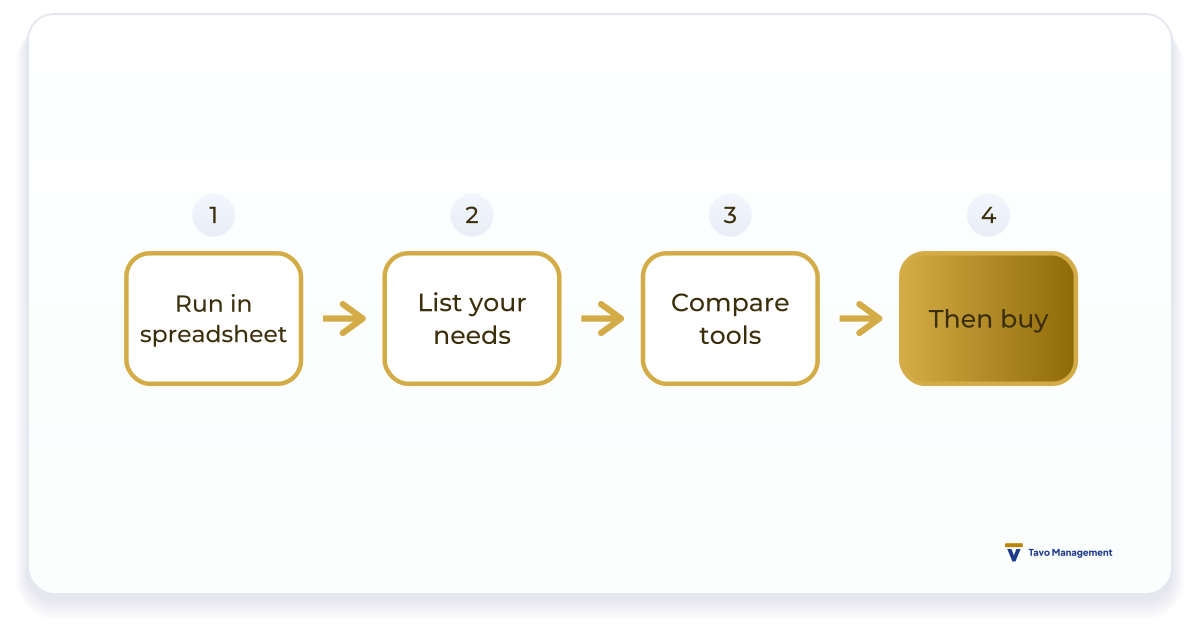
Buying a platform in month one is a common mistake. The tool then forces a process nobody agreed. I have seen teams spend a year configuring workflows for a register that had only 20 live risks.
What to do: Run the first cycle in a spreadsheet. Define your needs, then compare tools. The enterprise risk management software ranking lists what to ask vendors.
9. The Program Depends on One Person
Many programs live in the head of one risk manager. When that person leaves, the register ages quickly and the review meetings stop.
What to do: Document the process on a few pages, train a deputy and keep the register in a shared location with edit history.
10. Leadership Attention Fades After the First Year
The initial energy comes from an incident, an audit finding or a lender request. Twelve months later the pressure has gone and the review slot gets cancelled.
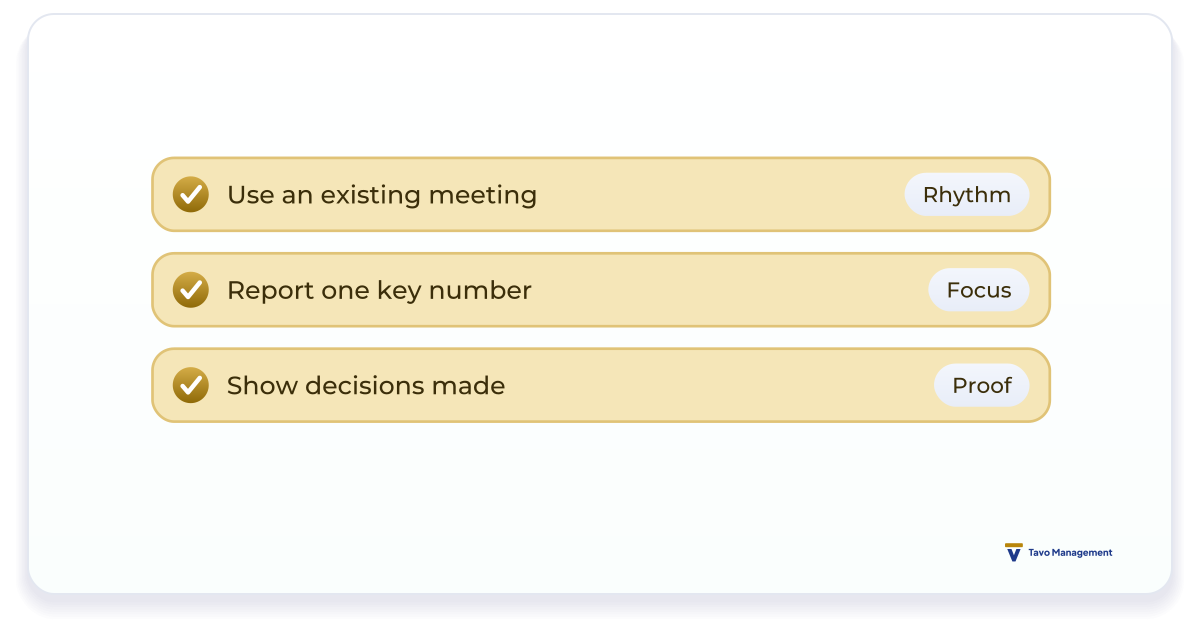
What to do: Tie the review to an existing meeting, report one number leaders care about and run a yearly scenario exercise to keep the topic fresh.
The Pattern Behind the Ten
The challenges fall into three groups, and each calls for a different kind of fix. Sorting yours tells you whether you need a workshop, a template or a conversation with the board.
| Group | Challenges | Typical remedy |
|---|---|---|
| People and ownership | 1, 3, 9, 10 | Clear roles, short requests, a deputy, a fixed rhythm |
| Method and structure | 2, 4, 5, 8 | One scale, a capped register, numeric limits, process before tools |
| Information and decisions | 6, 7 | One measure per risk, a decisions list |
I usually start with ownership, because it costs the least and changes behaviour the fastest.
A Worked Example: Three Challenges Fixed in One Quarter
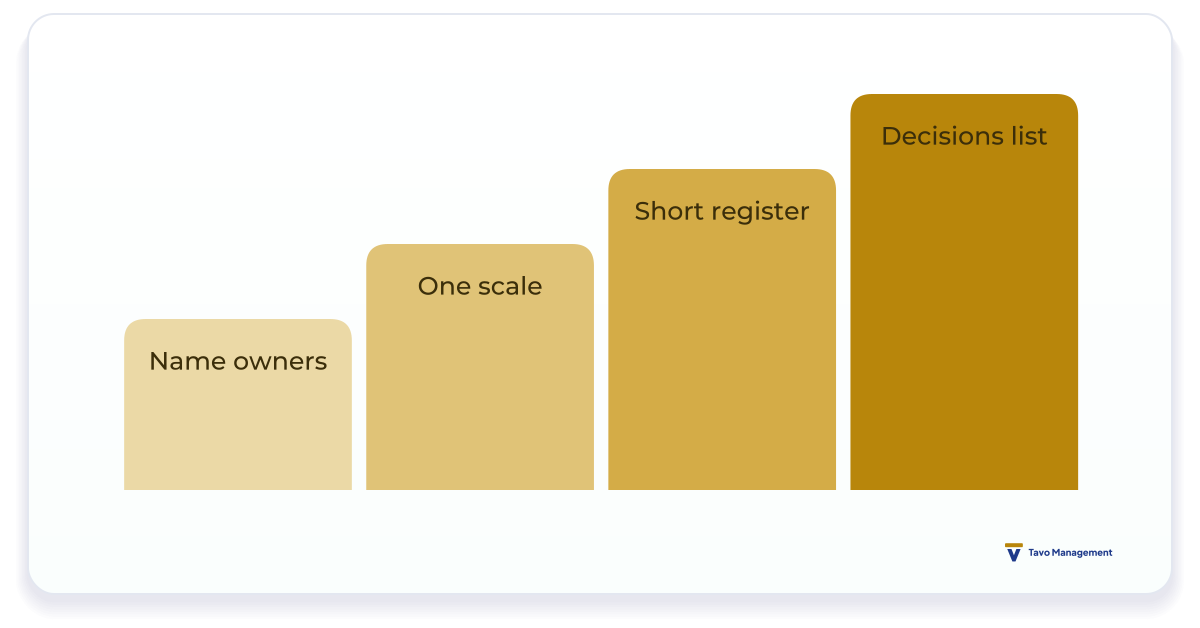
A services company I reviewed had a register of 140 risks, no named owners on about half of them and three different scales. Leaders had stopped reading the quarterly report. We did not start over. We fixed three challenges in order and left the rest for the next quarter.
| Week | Challenge tackled | Action | Visible result |
|---|---|---|---|
| 1 to 2 | Nobody owns the risk | Named one person for each of the top 25 risks | Every top risk had an owner who confirmed it |
| 3 to 6 | Scores cannot be compared | Agreed one five-level scale and re-scored the top 25 | Ranking changed, and two risks moved into the top five |
| 7 to 10 | The register grows too long | Merged duplicates and retired low-value items | The enterprise register fell to 32 risks |
| 11 to 13 | Reports do not lead to decisions | Added a decisions list to the one-page report | Leaders approved three actions in the first meeting |
The order mattered. Owners came first because an owner can challenge a score, and a stable scale had to come before cutting the list, since you cannot prune what you cannot rank. The decisions list came last because leaders only trusted it once the ranking made sense to them.
The cost was modest: a few workshops, some time from each owner and about a day a week from the risk lead. The effect on attention was much larger than the effort. At the next review, nobody asked what the colours meant. They asked why a supplier risk had moved up, which is the kind of question a working program should generate.
Your sequence may differ, but the principle holds. Fix the thing that lets the next fix stick, tell leaders what changed after each step and do not try to repair everything at once. Ten challenges sound like a lot, and in practice two or three of them carry most of the weight in any one organization.
One more point on timing. Challenges rarely arrive alone, and they feed each other: an unclear owner makes scores drift, drifting scores make the register grow, and a long register makes reports unreadable. That chain is why I fix from the top. When you break the first link, the others often ease without a separate project, and you can use the saved effort for the harder items such as data and appetite.
Expect some resistance, and plan for it. Owners who have carried a risk silently for years may not welcome a named spot in a report. Explain that the name signals authority, not blame, and make sure leaders respond to bad news with help. If the first owner who raises a problem is criticised, the register will go quiet within a quarter.
How to Choose Which Challenge to Tackle First
Look for the one that blocks the others. A program without owners cannot fix scoring, and a report without decisions cannot keep attention. Ask yourself:
- Would a named owner for each top risk change what happens next quarter?
- Do leaders trust the ranking enough to spend money by it?
- Could the program survive if the risk lead left tomorrow?
Fix the earliest "no" first, then move to the next. If three problems pile up at once, a short outside review can sort the order for you.
Sources
Questions About Enterprise Risk Management Challenges
What Is the Biggest Challenge in Enterprise Risk Management?
In my experience it is ownership: risks listed without a person who can act on them. Everything else, from scoring to reporting, depends on someone caring about the answer.
Why Do ERM Programs Fail?
Usually because they are built as a compliance exercise. The register grows, the scale differs by department and reports do not lead to decisions, so leaders lose interest and the review slot disappears.
How Do I Get Managers to Engage with Risk Management?
Keep requests short, pre-fill what you can and show them what happened because of their input. People engage when the process gives them something, such as a budget decision or a removed obstacle.
How Many Risks Are Too Many?
More than about 40 at enterprise level is hard to review in a meeting. Keep departmental detail separate and roll up only the risks that could affect results.
Do We Need Software to Overcome These Challenges?
Software helps with workflow and audit evidence, but it does not fix ownership, scoring or decisions. Solve those in a spreadsheet first, then decide whether a tool adds anything.
How Long Does It Take to Fix These Problems?
Ownership and review rhythm can change in a few weeks. A shared scale and numeric appetite usually take one to two quarters, since they need agreement from several leaders.
Should We Hire a Consultant for ERM Challenges?
If your risk lead is stretched or leaders disagree on priorities, a neutral outside voice can speed things up. A short assessment will show whether you need more than a few targeted fixes.
General information only: this is not legal, financial or tax advice. Examples and numbers reflect typical projects; check the specifics with your advisers before deciding.
Did you find this helpful?
Thank you for your feedback.
Delaney Brisco
Delaney leads the Tavo editorial team and works with our consultants to turn real client projects into practical guides on project delivery, process design and organizational change. Before joining Tavo, she spent 12 years in operations and program management roles. She has since edited more than 300 articles on management practice and reviewed PMO setups and process redesigns from over 100 client projects. She is based in Minneapolis, Minnesota.