Summary
- Unclear ownership sits behind many other IT problems, and it is the cheapest to fix.
- One request queue and one spend list give you the facts you need to argue for budget.
- Shadow IT shrinks when the approved route is faster than the workaround.
- Show leadership four numbers every month so IT is seen before it fails.
Every IT team I have worked with believes its problems are unique. They rarely are. Budgets, people, security and unclear responsibilities come up again and again, in a 30-person company and in a 3,000-person one. A pattern-based fix is faster than a custom one, which is why IT management consulting often starts with a checklist of exactly these problems.
Below are ten challenges, in the order I meet them. Each has a short explanation and the steps I use to solve it. You will probably recognize four or five. Start with those.
The 10 Challenges and Where to Start
| Challenge | Typical symptom | First move |
|---|---|---|
| 1. Unclear ownership | Nobody answers for a system | Name an owner per system |
| 2. Scattered requests | Tickets lost in chat and email | One request queue |
| 3. Scattered spend | No total IT cost | One spend list |
| 4. Security pressure | Too many threats, too little time | Basics first |
| 5. Shadow IT | Unknown tools holding data | Fast approval route |
| 6. Technical debt | Old systems slow every project | A debt register |
| 7. Skills gaps | One person knows everything | Document and cross-train |
| 8. Weak vendors | Promises without proof | Monthly service reports |
| 9. Change fallout | Outages and resistance | Rollback plan and notice |
| 10. Invisible value | IT noticed only when it fails | Monthly one-page report |
10 IT Management Challenges and How to Solve Them
If you are a small team, my guide to IT management for small business shows which of these to tackle in the first 90 days.
1. Nobody Clearly Owns Each System
The system works until it doesn't, and then three people assume someone else is handling it. I see this most often with applications that arrived through a department purchase. IT inherited the support without ever agreeing to it.
The cost shows up as skipped patches and renewals nobody planned for. Ownership is a decision, not a tool, and it takes one meeting to start.
Steps to assign real ownership
- List every system and contract.
- Assign one owner and one backup per item.
- Review the list each quarter and after any role change.
- Escalate any item that still has no owner after 30 days.
2. Requests Arrive Everywhere and Get Lost
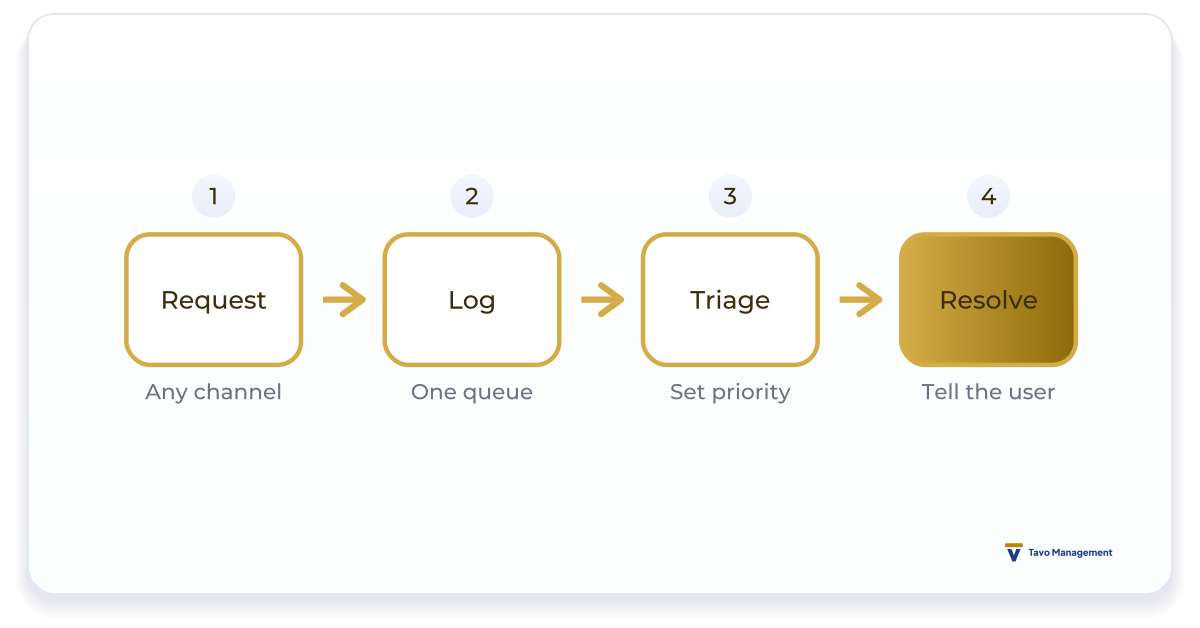
Chat messages, emails and hallway requests all compete for the same few people. The loudest request wins, quiet ones age and no one can show how much work IT actually does. That makes it impossible to argue for headcount.
One queue changes the conversation. Once every request is logged, you can see the repeat problems and fix causes instead of symptoms. My ranking of IT management software shows tools that start at a few dollars per agent.
How to bring order to requests
- Choose one entry point for all requests.
- Log phone and chat requests yourself, at first.
- Set three priority levels with targets.
- Review the top five request types monthly and remove the cause of one.
3. Budgets Are Tight and Spend Is Scattered
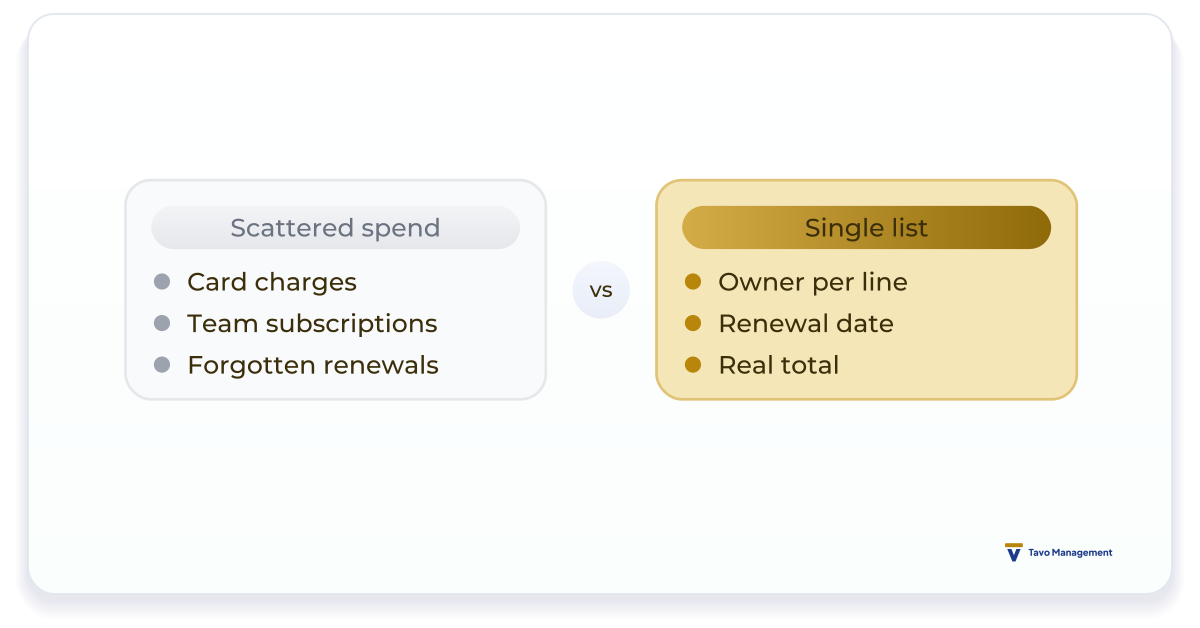
IT costs hide in departments, credit cards and old contracts. When someone asks for a total, nobody can give one with confidence. That makes cost cutting a guessing game and makes it harder to defend necessary spend.
Gather the real numbers once and keep them current. Most teams find savings in unused licenses and duplicate tools long before they need to cut anything that matters.
How to see where the money goes
- Collect invoices, card statements and contract lists.
- Group spend by system and owner.
- Flag unused seats and overlapping tools.
- Renegotiate or cancel before the next renewal.
4. Security Threats Keep Changing
New attack methods appear faster than any small team can read about them. The risk is chasing headlines while the basics stay open. Missing multi-factor authentication or an untested backup causes far more damage than an exotic exploit.
A recognized baseline helps you decide. The CIS Controls Implementation Group 1 set is built for organizations with limited IT resources, and it gives you an ordered starting list.
Steps that close the biggest gaps first
- Turn on multi-factor authentication for email and admin accounts.
- Patch on a fixed schedule and verify the result.
- Test one backup restore each quarter.
- Run a phishing awareness session twice a year.
5. Shadow IT Spreads Behind Your Back
Employees sign up for tools that solve their problem today. The tools work, and nobody checks where the data goes or who pays. I have found customer lists in free file-sharing accounts more than once.
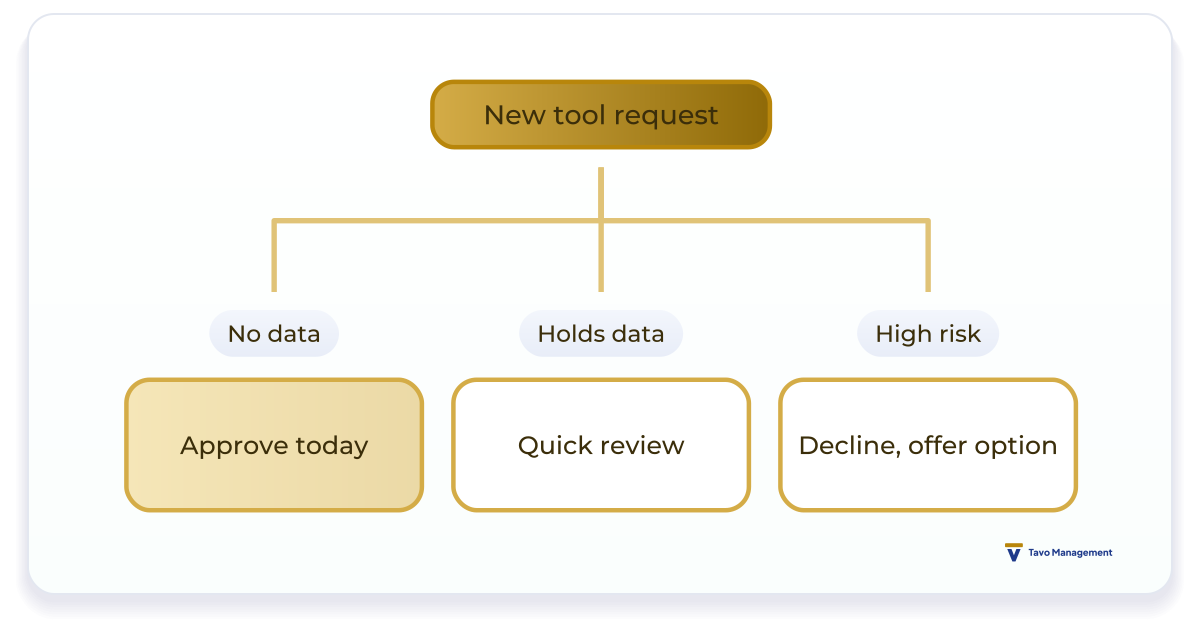
Banning tools does not work, because people work around the ban. Offer a fast approval route and a list of approved alternatives instead.
How to bring shadow tools into the open
- Review expense reports and single sign-on logs for unknown tools.
- Publish a simple request form with a response in a few days.
- Approve useful tools and bring them under management.
- Remove tools that duplicate something you already own.
6. Technical Debt Piles Up
Old systems, undocumented setups and quick fixes that became permanent slow every project. A server that only one person understands is debt with interest. The cost appears as delays and outages rather than as a line item.
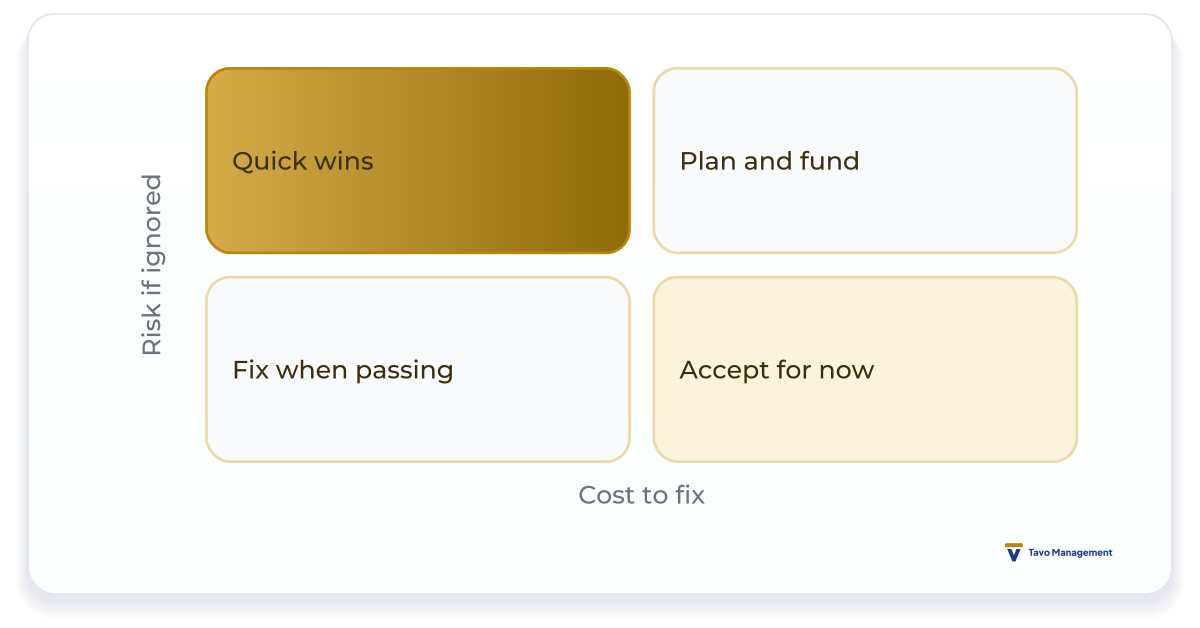
Make the debt visible. A list with a risk rating and a cost estimate for each item turns a vague worry into a decision your leadership can fund.
Steps to pay the debt down
- Create a debt register with risk and effort per item.
- Reserve a fixed share of capacity each quarter for repayment.
- Retire systems you no longer need instead of maintaining them.
- Document the ones you must keep.
7. Skills Gaps and Key-Person Risk
Hiring skilled IT staff is hard and slow, and small teams depend heavily on one or two individuals. When one of them leaves, knowledge leaves with them. I have watched a company spend three months rediscovering how its own network was set up.
You cannot remove the risk, but you can shrink it. Documentation, cross-training and selective outsourcing spread it out.
Steps to spread the knowledge
- Record admin access and procedures for each critical system.
- Train a second person on every critical task.
- Use a provider for skills you need only occasionally.
- Keep a current skills matrix and review it twice a year.
8. Vendors and Providers Underdeliver
Contracts promise response times that reports never prove. Providers change account managers, and the service you bought slips. Without numbers, you cannot tell whether the problem is the provider or your own expectations.
Ask for monthly reports against written service levels. If the provider cannot produce them, that is useful information in itself.
How to hold providers to their promises
- Define the service levels you need in plain terms.
- Request monthly reports on response and resolution times.
- Review the contract 90 days before renewal.
- Keep a shortlist of alternatives so you can negotiate.
9. Change Brings Outages and Resistance
Changes break things, and staff resist new tools they did not ask for. Both problems come from the same source: poor preparation. People need to know what changes, when and why, and IT needs a way back if the change fails.
Plan communication as part of the change. A short note before, a clear support route during and a follow-up afterward prevent most of the pushback.
Steps to make change safer
- Write the change, the test and the rollback before you start.
- Tell affected users at least a few days ahead.
- Pilot with a small group first.
- Collect feedback a week after rollout and adjust.
10. IT Gets Seen Only When It Fails
When everything works, nobody notices IT, and then the budget conversation starts from cost. When something breaks, IT is the center of attention. Neither situation helps you plan.
Make the value visible with a short monthly report: what you delivered, what it saved, which risks you reduced and what you need. This is part of the planning rhythm I describe in my IT management strategy playbook.
How to show your value
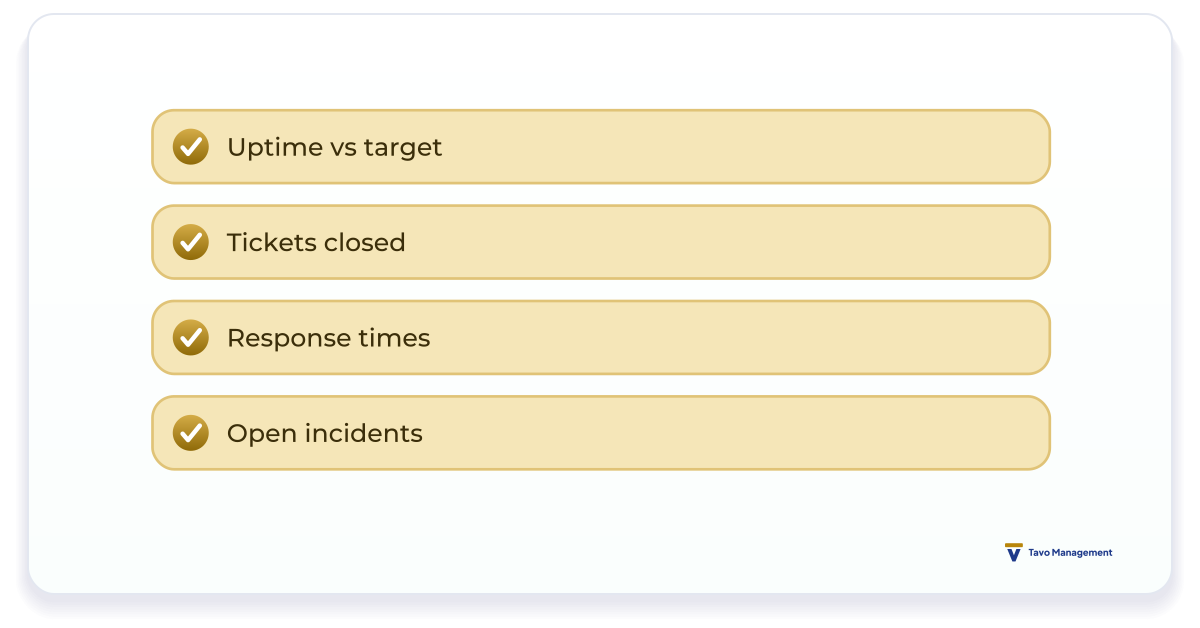
- Pick four measures leadership understands.
- Report them monthly on one page.
- Link each project to a business goal.
- Present risks with a cost and a proposed fix.
Which Challenge to Tackle First
You cannot fix ten problems at once, and trying to will leave you with ten half-finished projects. Choose by cost of delay. If a security gap could stop the business tomorrow, that goes first. If your IT spend is a mystery, the spend list comes next, because it informs every later argument. Ownership and requests rank high because they are cheap and unlock the rest.
A short exercise helps. Write the ten challenges on a page, and ask your team to mark the three that hurt most this quarter. Ask leadership to do the same independently. The overlap is your starting list, and the differences reveal where IT and the business see things differently, which is a finding in its own right.
What the Challenges Have in Common
Look at the ten again and you will see two root causes. The first is missing information: no list of systems, no total spend and no numbers on requests. The second is missing ownership: no named person for systems, vendors and decisions. Fix those two and most of the others become manageable, because you can finally see what you are dealing with.
Sequence matters too. Start with visibility, then ownership, then routines, then tools. The habits that keep the fixes in place are the ones in my list of IT management best practices, and a structure to hold them together is in the IT management framework article.
Questions About IT Management Challenges
What Is the Biggest Challenge in IT Management?
In my client work it is usually unclear ownership, which sits behind many of the others. When nobody owns a system, a process or a contract, patches slip, costs creep and incidents repeat. Naming owners is cheap, and it fixes more than most tool purchases.
How Do I Get Leadership to Take IT Seriously?
Speak in business terms. Show what an outage costs per hour, which renewals are coming and which risks you cannot cover with the current budget. A one-page monthly report with three or four numbers is more convincing than a technical briefing.
How Can I Reduce Shadow IT Without Blocking People?
Make the approved route faster than the workaround. Offer a simple intake form, answer within days and say yes to reasonable requests. Then use discovery tools and expense reports to see what people already use, and bring the useful tools under management.
What Is Technical Debt and How Do I Deal with It?
Technical debt is the cost of past shortcuts: outdated systems, undocumented setups and quick fixes that became permanent. Keep a list with a cost and a risk for each item, and set aside a fixed share of capacity each quarter to reduce it. Without a reserved share, urgent work always wins.
How Do I Handle a Shortage of Skilled IT Staff?
Document what you have, cross-train so no system depends on one person and use a provider for the skills you only need occasionally. Focus hiring on the roles that carry ownership. Automation and better processes also reduce the volume of routine work.
How Do I Keep Up with Security Threats on a Small Budget?
Spend on the basics first: multi-factor authentication, patching, tested backups and least-privilege access. Those address a large share of common attacks. Use a recognized checklist such as the CIS Controls Implementation Group 1 safeguards to decide what comes next.
When Should I Bring in an Outside Consultant?
When you lack time or independence. A consultant helps when you need an honest assessment of a provider, a plan for a large change or an extra pair of hands on a project. Ask for written deliverables and a handover, so the knowledge stays with you.
Sources
General information only: this is not legal, financial or tax advice. Examples and numbers reflect typical projects; check the specifics with your advisers before deciding.
Did you find this helpful?
Thank you for your feedback.
Delaney Brisco
Delaney leads the Tavo editorial team and works with our consultants to turn real client projects into practical guides on project delivery, process design and organizational change. Before joining Tavo, she spent 12 years in operations and program management roles. She has since edited more than 300 articles on management practice and reviewed PMO setups and process redesigns from over 100 client projects. She is based in Minneapolis, Minnesota.