Summary
- Define one measurable benefit with a named owner before you plan any work.
- Give your steering group real decision rights, and keep each meeting short and decision-focused.
- Manage dependencies, shared people and risks at program level, where no single project can see them.
- Report benefits next to progress, and plan the handover before the last project ends.
Good program management is less about method and more about a handful of habits that are easy to skip when everyone is busy. The consultants behind Tavo’s program management consulting work see the same gaps repeat across industries: unclear benefits, steering meetings without authority and risks that nobody owns.
Below are the seven practices I rely on most. Each one has a short explanation, a do this line and an avoid this line, so you can compare them with how your own program runs today.
What Makes a Program Different From a Large Project
A project delivers an output. A program delivers an outcome by combining several projects and some ongoing work. That changes what needs managing. In a project you watch tasks. In a program you watch the links between projects, the benefits and the people who must change how they work.
| Question | Project answer | Program answer |
|---|---|---|
| What counts as success? | The agreed output is delivered on time and on budget | The business result appears and stays |
| What is the main risk? | Tasks slip or scope grows | Projects collide, or deliver the wrong thing |
| Who decides? | The project manager with a sponsor | A steering group with budget and priority authority |
| When does it end? | At delivery | When benefits hold without the program team |
If you need a tool to hold this together, my ranking of the best program management software compares nine options by plan and price. Tools help, but only after the practices below are in place.
7 Practices That Keep a Program on Track
The order below follows the life of a program, from the first charter to the final handover. If your program is already running, start with the practice where you recognize your own problem.
Tie Every Project to One Measurable Benefit
The programs that disappoint most often have a goal like “modernize our operations.” You cannot manage toward that sentence, and nobody can tell you when it is achieved. A usable benefit has a number, a baseline, a date and an owner, for example “reduce order-to-cash time from 18 days to 12 by the end of Q3, owned by the finance director.”
Once the benefit is written down, every project in the program has to justify its place. In my client work, this step usually removes one or two projects from the list, because nobody can explain how they contribute. That is a good outcome, not a failure. It frees people and budget for the work that moves the number.
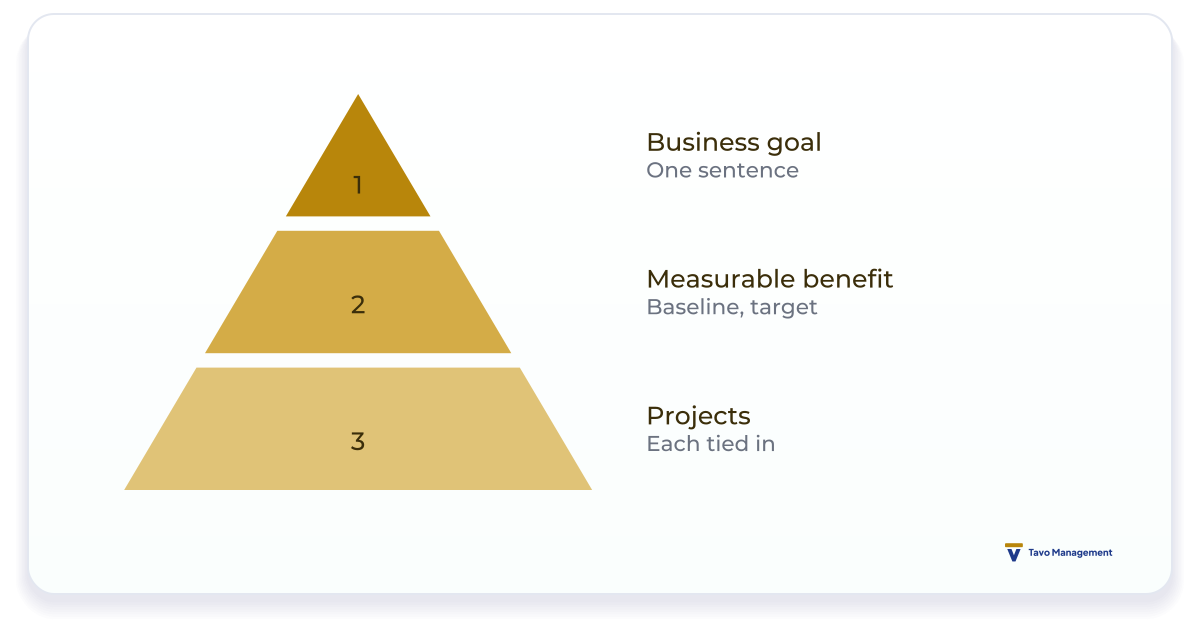
Do this: Write the benefit as a sentence with a baseline, a target, a date and a named owner. Map each project to it.
Avoid this: Using vague goals, or listing benefits that no one is responsible for measuring.
Give the Steering Group Real Decision Rights
A steering group that only receives updates is an audience. A working one decides: it approves scope changes, releases funding in stages and settles conflicts between projects. Write those decision rights into the charter, including who can overrule whom and what happens when the group cannot agree.
I recommend a short, fixed agenda: decisions needed, top risks, benefit progress, then everything else. If a topic does not need a decision, it goes in the pre-read. Teams that run this way usually cut their steering meetings to under an hour and still move faster, because the people in the room can say yes or no.
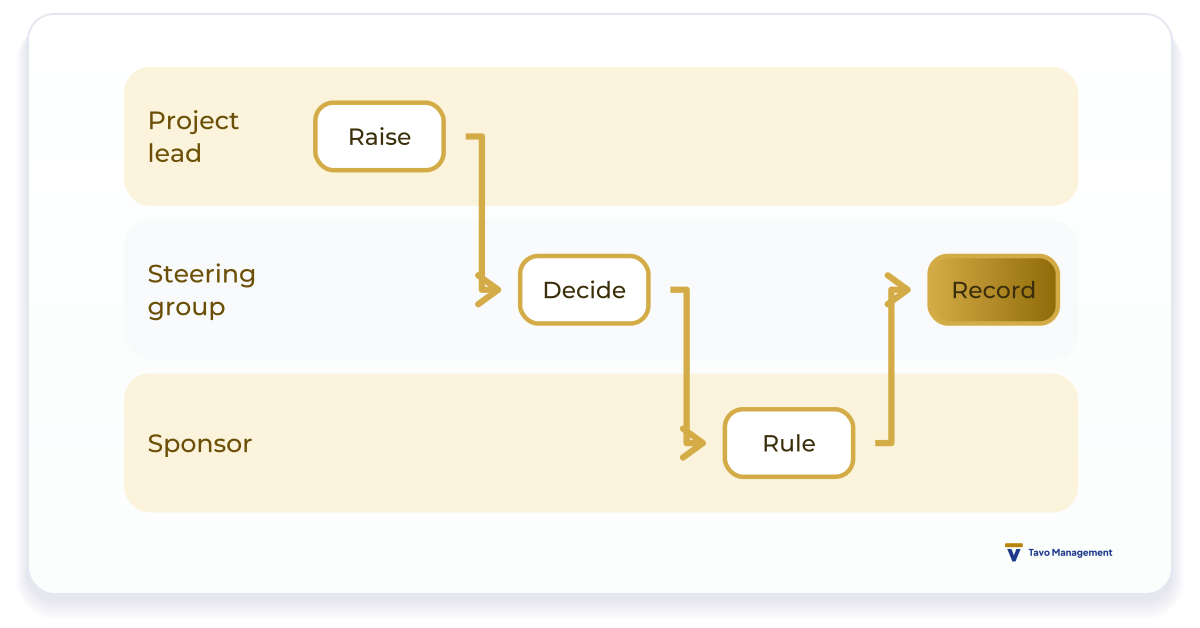
Do this: List the decisions the group can make, set a quorum and record each decision with its owner and date.
Avoid this: Inviting senior people for visibility only, or letting open questions roll from one meeting to the next.
Map Dependencies Before You Commit to Dates
Most missed dates in a program come from a dependency nobody drew. One project needs a data migration that another project owns, or two teams plan their go-live for the same weekend using the same infrastructure staff. Each project plan looks fine, and the combination fails.
Draw the dependencies on one page early, with arrows between projects and a named person on each end. Review that page every month. It takes a few hours the first time, and it is the cheapest risk control a program has. Your tool can help, but a whiteboard photo is enough to start.
Do this: Hold a two-hour mapping session with all project leads and agree who owns each handoff.
Avoid this: Building the integrated plan by stapling project plans together without checking the links between them.
Plan Shared Resources at Program Level
Key people are the most common hidden bottleneck. The same architect, analyst or plant engineer appears in three project plans at 50 percent each, and nobody counts the total. A program view of demand against capacity shows the clash months before it hurts.
You do not need a heavy resource system for this. A simple table of scarce roles by month, reviewed with the project leads, is enough to start. When a clash appears, the program manager brings the options to the steering group: hire, delay or drop something.
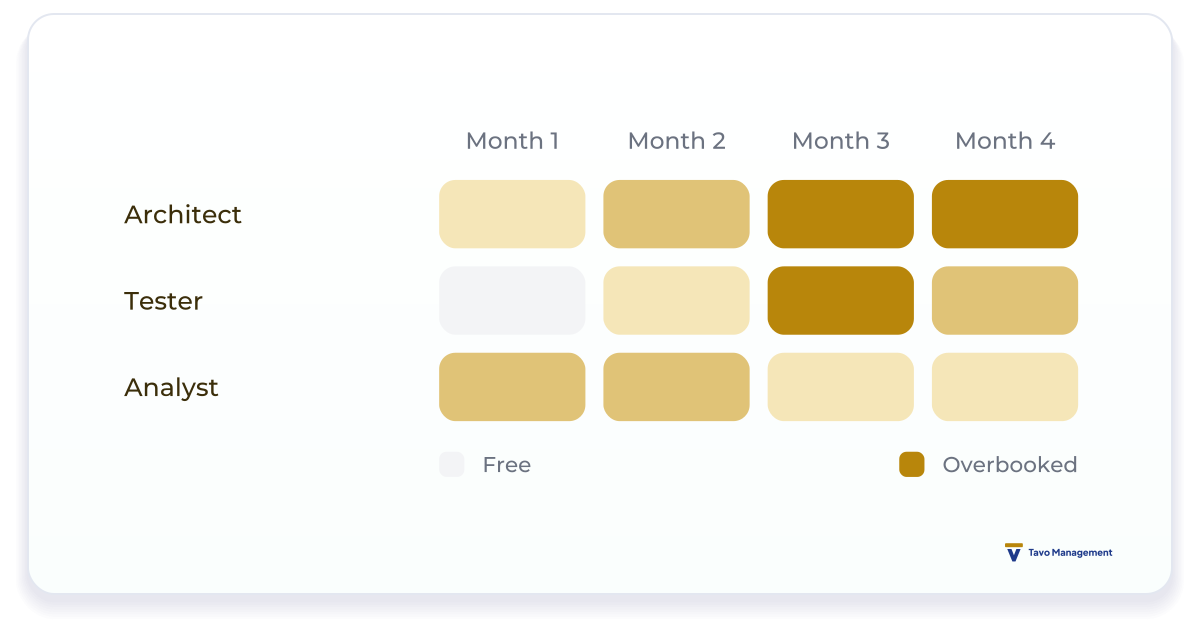
Do this: List the five scarcest roles, show their planned load by month and review the table monthly.
Avoid this: Letting each project lead negotiate with the same specialists separately.
Run One Risk Register With Named Owners
Project risk registers are common. Program risk registers are rare, and they are where the expensive surprises live: a shared supplier, a regulatory change, a key sponsor who leaves. These risks belong to no single project, so nobody manages them unless the program does.
Keep the register short. Ten to fifteen live entries, each with an owner, a rating and the next action, will serve you better than a hundred-line spreadsheet that nobody reads. Retire risks when they are closed, and look at the top five at every steering meeting.
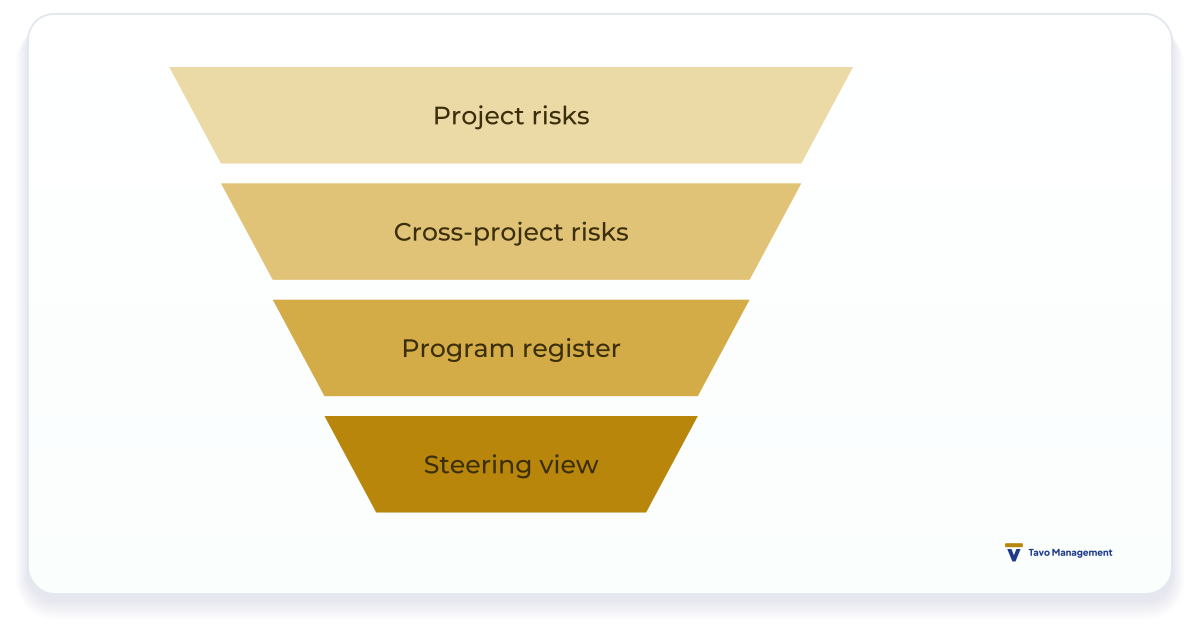
Do this: Rate every risk on the same scale, assign one owner per entry and review the top five monthly.
Avoid this: Copying every project-level risk upward until the register is too long to use.
Report Benefits, Not Just Progress
Status reports tell you whether work is on schedule. They do not tell you whether the program is creating value. A program can be on time and on budget and still deliver nothing, if the projects solve the wrong problem. Add a benefits section to every report: baseline, current value, target and trend.
PMI’s Pulse of the Profession for 2017 reported that organizations wasted an average of US$97 million for every US$1 billion invested, a 20 percent decline from the year before. Newer editions exist, but the point holds: waste is the normal cost of unmanaged programs. Tracking benefits is how you spot it early. The program management KPIs in my separate guide show which numbers to put on that page.
Do this: Show baseline, current value and target for each benefit, and flag any that are not moving.
Avoid this: Reporting only milestones and traffic lights, or celebrating delivery before the benefit appears.
Plan the Handover Before the Last Project Ends
Programs fail quietly at the end. The project team disbands, the benefits owner has not been trained and the new process slides back to the old habits within a quarter. Handover is part of the program, with its own plan, owner and budget.
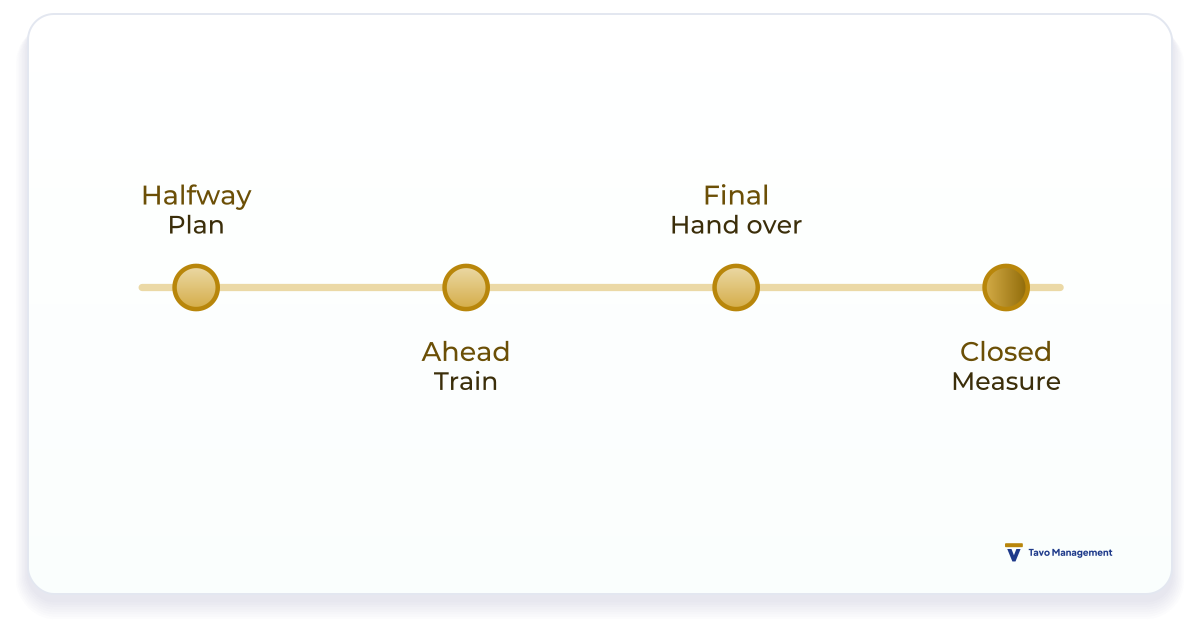
Start planning it when the program is about half way through. Decide who owns the new process, what they need to learn and how you will check results three and six months later. Keep a short list of open issues and agree who takes each one. A program is finished when the benefit holds without the program team.
Do this: Name the operational owner early, schedule training and book a benefit review three months after closure.
Avoid this: Closing the program on the delivery date and leaving benefit tracking to chance.
Matching the Practices to Your Size
Not every program needs every practice at full strength. A four-project program in a 100-person company can run on a one-page charter, a shared spreadsheet and a monthly meeting. A twenty-project program in a hospital group needs formal governance, a resource view and a risk register with weekly reviews.
The risk of over-building is real. I have seen governance packs that took longer to write than the first project took to deliver. Start light, watch where the program hurts and add structure there. My program management framework shows how to scale each element up or down, and the program management examples in this cluster show what different sizes look like in practice.
Choosing Your Starting Point
You will not fix everything at once. Pick the practice that addresses your biggest pain and test it for one reporting cycle:
- If sponsors argue about whose numbers are right, start with benefits and reporting.
- If decisions take weeks, start with the steering group's rights.
- If deadlines slip for reasons nobody saw coming, start with dependencies and shared resources.
- If good results fade after launch, start with the handover plan.
For a structured self-check across all areas, use the program management checklist before you decide. If you want an outside view, a short discovery call is usually enough to find the weak spot.
Questions About Program Management Best Practices
What Is the Most Important Program Management Best Practice?
Defining the benefit before you plan the work. If the program has a measurable result and a named owner, most other decisions become easier, from scope trade-offs to which risks deserve attention. Programs without that anchor drift toward activity reports that look busy and prove nothing.
How Often Should a Program Steering Group Meet?
Monthly works for most programs, with a shorter weekly check between the program manager and the main project leads. Meet more often during launch or recovery, and less often once delivery is stable. The rhythm matters less than the rule that every meeting ends with decisions written down.
How Many Projects Should One Program Contain?
There is no magic number. I have seen sensible programs with four projects and others with twenty. The test is whether the projects share benefits or dependencies. If a project can finish without affecting the others, it probably belongs elsewhere.
Who Should Own the Benefits of a Program?
A business leader who runs the area where the benefit appears, not the program manager. The program manager is accountable for delivery, and the benefit owner is accountable for the result in daily operations. When the same person holds both roles, benefits tend to be reported optimistically.
What Is the Best Way to Handle Risks That Cross Projects?
Keep one program risk register with a named owner for each entry, and review it at every steering meeting. Project-level risks stay with the project, but anything that touches two or more projects, a shared supplier or a shared specialist moves up. Rate each risk the same way across the program so you can compare them.
Do Small Organizations Need Formal Program Management?
They need the habits more than the paperwork. A one-page charter, a shared roadmap and a monthly decision meeting give a small business most of the value. Add formality only when the number of projects or the risk level asks for it.
How Do I Know If My Program Is Off Track?
Watch for three signals: milestones that move without a decision, risks that stay open for months and sponsors who stop attending. Numbers usually lag behind those behaviors. A quick health check against the <a href="/program-management-checklist/">program management checklist</a> often finds the gap in an hour.
Sources
PMI, Pulse of the Profession 2017
General information only: this is not legal, financial or tax advice. Examples and numbers reflect typical projects; check the specifics with your advisers before deciding.
Did you find this helpful?
Thank you for your feedback.
Delaney Brisco
Delaney leads the Tavo editorial team and works with our consultants to turn real client projects into practical guides on project delivery, process design and organizational change. Before joining Tavo, she spent 12 years in operations and program management roles. She has since edited more than 300 articles on management practice and reviewed PMO setups and process redesigns from over 100 client projects. She is based in Minneapolis, Minnesota.