Summary
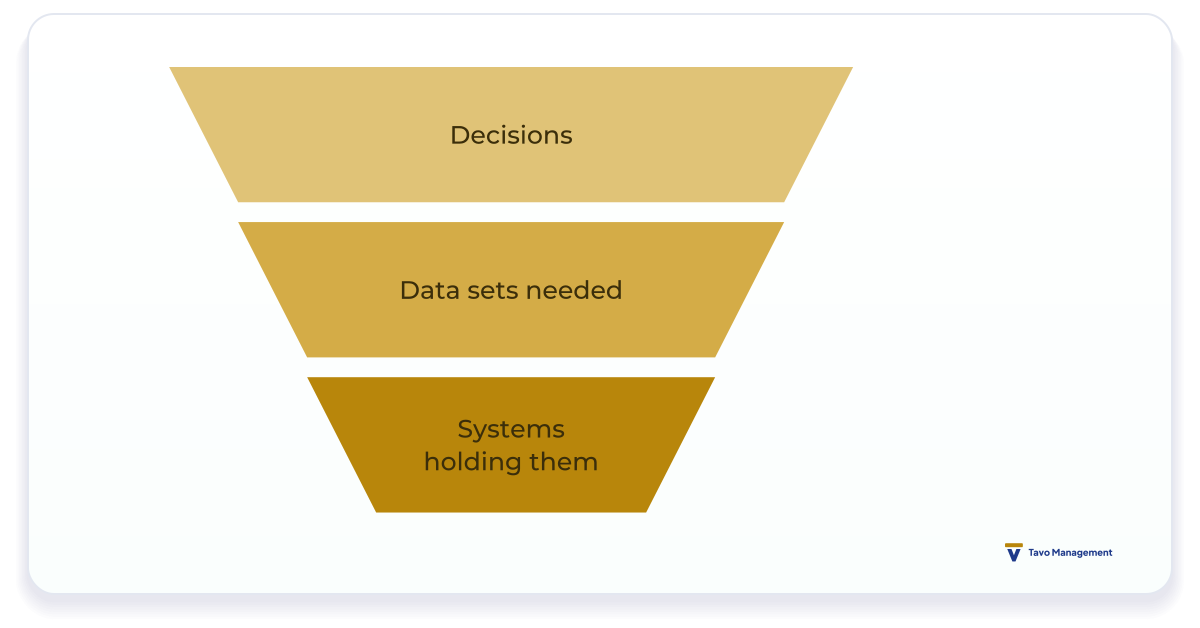
- Start from the decisions that suffer from bad data, then work back to the data sets behind them.
- Every critical data set needs one business owner and one steward before any tool is chosen.
- Quality needs numbers: pick three or four checks, measure a baseline and set a threshold you can reach.
- Finish with a scoped pilot of 8 to 12 weeks, so you can show a result instead of a plan.
Most data management strategies I read are a list of tools with a logo on every page. A strategy that works fits on two pages and answers four questions: which decisions need better data, who owns each data set, what rules apply and what you will do first. If you want help writing yours, data management consulting usually starts with exactly those questions.
This guide gives you the priorities I set with clients and the playbook I follow, in order. It assumes a business of 50 to 5,000 people with data spread across an ERP, a CRM, project tools and a lot of spreadsheets.
What a Data Management Strategy Has to Decide
A data management strategy is a short, agreed plan for how your organization treats data as an asset: where it comes from, who is answerable for it, how good it has to be and how it is protected. It is not an architecture diagram and not a software wish list. Those come later and follow from the decisions in the strategy.
The test I use is simple. Can a new department head read it in ten minutes and know whom to call when a number looks wrong? If the answer is no, you have a document, not a strategy.
The Playbook at a Glance
Seven steps take you from a blank page to a running program. The table shows what each step produces and how long it usually takes in a mid-sized company. The durations come from my own projects and shift with company size, so treat them as a planning range.
| Step | What you produce | Typical time |
|---|---|---|
| 1. Link data to decisions | A list of 5 to 10 decisions that depend on data | 1 week |
| 2. Inventory the data | A register of data sets, systems and current owners | 2 to 3 weeks |
| 3. Assign owners | One named owner and one steward per data set | 1 to 2 weeks |
| 4. Set quality targets | Measurable rules and thresholds for critical data | 2 weeks |
| 5. Choose where data lives | One system of record per data set | 2 weeks |
| 6. Write the access and retention rules | A one-page policy for sharing, security and deletion | 2 weeks |
| 7. Pick the first project | A scoped pilot with a baseline and an end date | 1 week |
Step 1: Start From the Decisions, Not the Data
Ask your leadership team which decisions are slow, doubted or wrong because of data. You will hear things like “we argue about revenue every month” or “nobody trusts the inventory count.” Write down five to ten of them. Those become the reason for everything else, and they let you price the problem: hours spent on reconciliation, returns caused by wrong records, delays in month-end close.
This also protects you from boiling the ocean. Data you cannot connect to a decision can wait. In one distribution client, we listed nine decisions and found that four depended on the same supplier master. That single data set became the pilot.
Step 2: Build a Plain Inventory
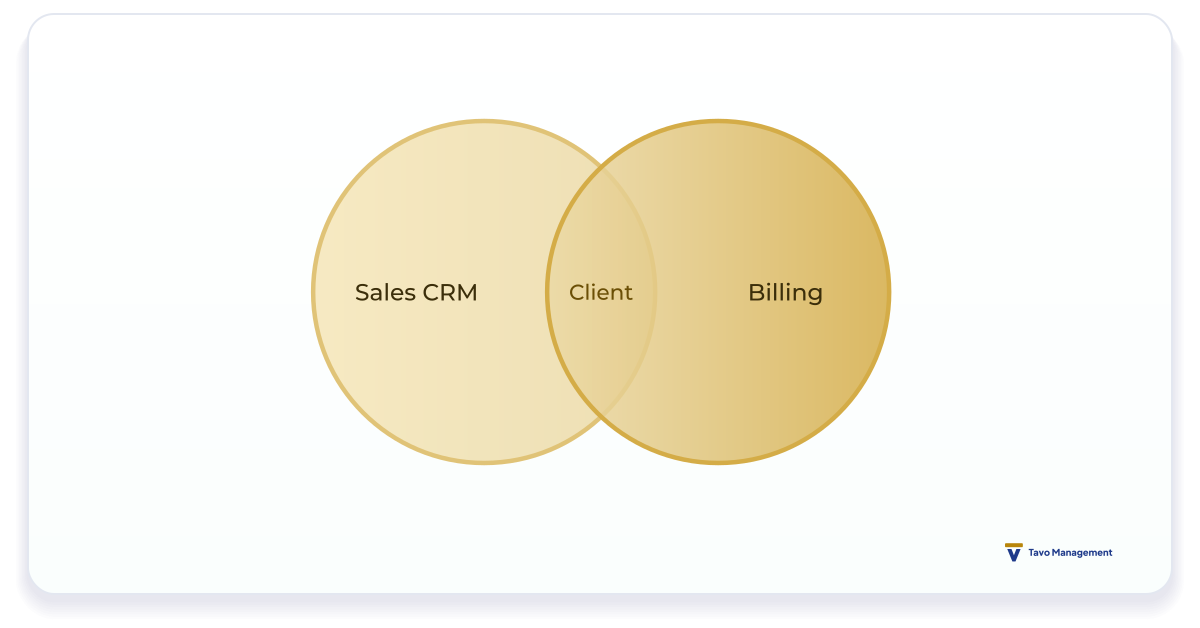
List every data set that matters: customers, products, suppliers, employees, projects, contracts, financial accounts. For each, note the system where it is created, the systems that copy it and who currently fixes errors. A spreadsheet is enough. You are looking for three patterns: data created in more than one place, data copied by hand and data with nobody fixing it.
Expect surprises. Companies often find a shadow customer list in sales, a second price list in operations and a contract tracker that exists only in one person’s inbox. The inventory makes those visible without blaming anyone.
Step 3: Give Every Data Set an Owner and a Steward
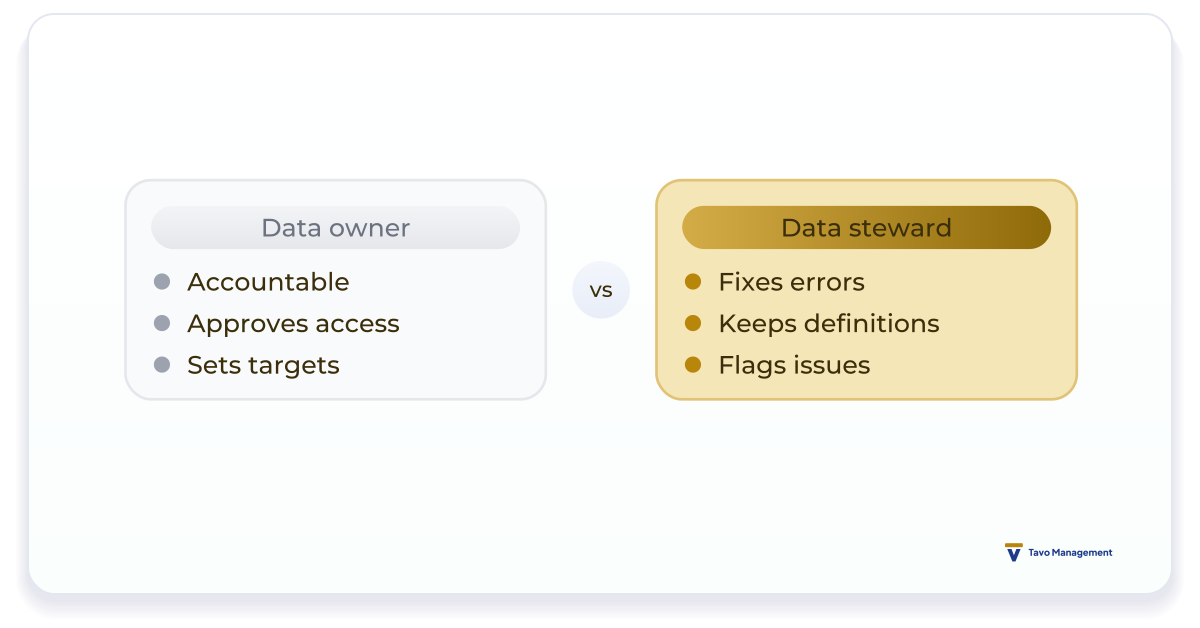
The owner is a business leader who decides what the data means and accepts responsibility for its quality. The steward is the person who does the daily work: fixes records, answers questions and escalates. IT is rarely the right owner, because IT does not decide what a customer is. It supports the people who do.
Keep the structure small. Ten data sets with one owner each beat fifty with committees. My data management framework shows how these roles fit with decision rights and escalation paths.
Step 4: Set Quality Targets You Can Measure
“Good data” means nothing until it has a number. For each critical data set, pick three or four checks: completeness (is the field filled), validity (is the value allowed), uniqueness (is it a duplicate) and timeliness (how old is it). Then set a threshold, such as 98% of active customers with a valid email.
Be realistic about where you start. A study of 75 companies reported by Becker’s Hospital Review found that only 3% had data that passed an acceptable quality test, and nearly half of the scores were below 57%. If your first measurement is ugly, you are in the majority. Record it as your baseline and move on.
Step 5: Name One System of Record per Data Set
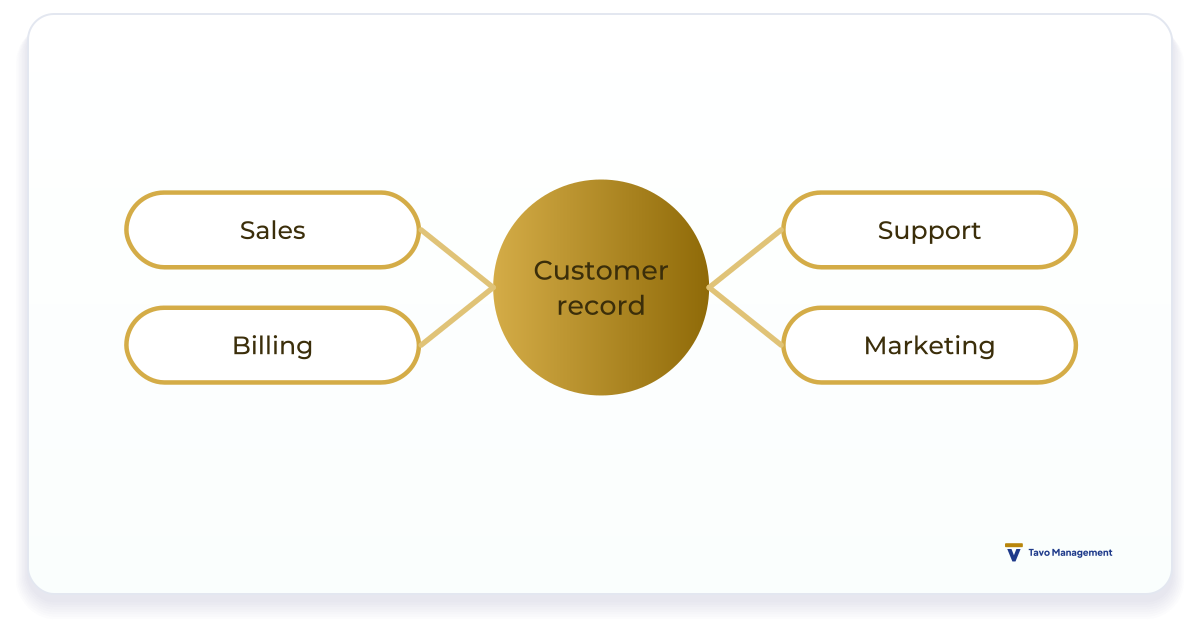
For each data set, decide which system holds the master version. All other systems read from it or receive updates from it. The CRM may own the customer, the ERP the product and the HR system the employee. Where two systems both edit the same record, you have found the source of most of your reconciliation work.
This is a decision about authority, and it can be made before any integration project. Even without technology, a rule like “change customer addresses only in the CRM” removes a large share of conflicts. For tools that can enforce it, see my ranking of data management software.
Step 6: Write Access and Retention Rules on One Page
Decide who may see and change each data set, how personal and confidential data is labeled and how long records are kept. Keep it plain and short. Where law or contracts set retention periods, have your legal advisor confirm them rather than copying a number from a blog. This guide gives no legal advice.
A one-page policy that people read beats a forty-page one that sits on an intranet. Link each rule to an owner, so an exception has somewhere to go.
Step 7: Choose a Pilot With a Baseline and an End Date
Pick one data set from step 1, usually the one that causes the most visible pain. Measure the baseline: error rate, duplicates, hours of rework. Then set an end date, often 8 to 12 weeks, and a target. After that, use the data management roadmap to sequence everything that follows.
A pilot gives you a story you can tell. “Duplicate customers fell from 14% to 3%, and month-end reporting dropped by two days” builds more support than any slide about maturity levels.
Priorities When Time and Budget Are Tight
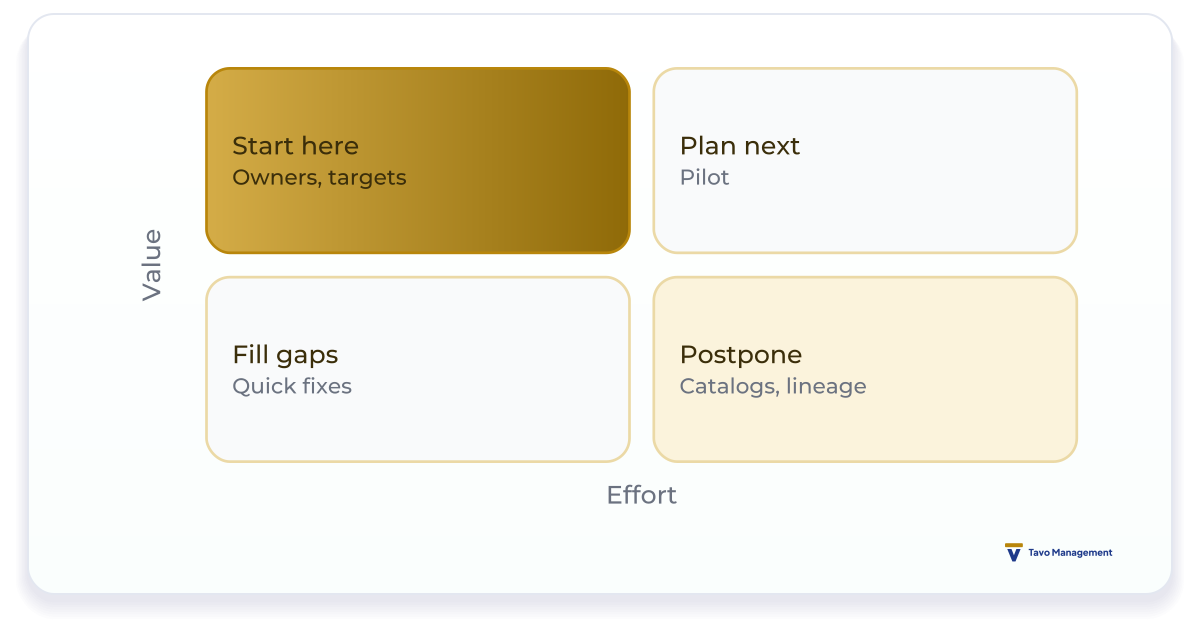
You will not do everything at once. When I have to cut, I keep these in order:
- Owners for the three data sets behind your most expensive errors
- Entry checks that stop bad data at the source
- One system of record for customers or products
- A monthly one-page quality report that leadership actually reads
I postpone catalogs, lineage tools and maturity assessments. They help later, but they rarely change a decision this quarter. Good habits from my list of data management best practices cover the same ground without extra software.
Getting Leadership and Owners on Board
A strategy only works if the people named in it agree to the role. Meet each future owner one to one before the group workshop. Show them the cost of the problem in their own area, ask what they need to take ownership and note any objection. Surprises in a group meeting are expensive, and a private conversation costs 30 minutes.
Give leadership a one-page summary with the decisions list, the cost estimate and the pilot target. Executives rarely read more, and the page doubles as your reference when priorities compete later in the year.
Where Strategies Go Wrong
The most common failure is writing the strategy in IT and presenting it to the business afterwards. The second is a strategy with no money or time attached. A third is measuring activity, such as number of trainings, instead of outcomes, such as error rates. If you want to see what working programs look like in practice, read these data management examples.
Review the strategy every six months. Two pages are easy to update, and a stale strategy is worse than none, because people stop trusting the rest of what you tell them.
Deciding Where to Begin
If your pain is reports that disagree, begin with step 5 and pick the system of record. If it is repeated errors, begin with step 3 and name owners. If leadership does not see a problem, begin with step 1 and put a price on it. In every case, the first three weeks should leave you with something written down and a person responsible for it.
Sources
The quality finding comes from Becker’s Hospital Review, reporting on a Harvard Business Review study. Role definitions follow the common DAMA-DMBOK vocabulary, summarized in Snowflake’s overview of DAMA-DMBOK.
Questions About Building a Data Management Strategy
What Is a Data Management Strategy?
It is a short plan that sets which decisions need good data, who owns each data set, what quality and access rules apply and which project you do first. A useful one is two pages long and names people, not just tools. It guides every later choice about software and process.
How Long Does It Take to Build a Data Management Strategy?
For a mid-sized company, I usually see 8 to 12 weeks from the first workshop to an approved plan with a pilot. Smaller businesses can finish in four to six weeks. Most of the time goes into agreeing on owners and definitions, not into writing.
Who Should Own the Data Management Strategy?
A business leader should sponsor it, often the COO or CFO, with a data lead or consultant running the work. IT supports it but should not own it, because IT does not decide what your business terms mean. The sponsor needs enough authority to settle disputes between departments.
Do I Need a Chief Data Officer?
Not at first. Many companies under a few thousand employees run well with a part-time data lead and named owners in each department. Add a dedicated role when the number of data sets, systems and regulatory duties grows beyond what one person can coordinate.
How Is a Data Strategy Different from a Data Management Strategy?
A data strategy usually focuses on how data creates value, such as analytics and AI use cases. A data management strategy covers how data is kept accurate, owned, secure and available. You need the second to succeed with the first, because analytics on unreliable records produces confident mistakes.
What Should I Measure to Know the Strategy Works?
Track error and duplicate rates for your critical data sets, hours spent on corrections, time to produce monthly reports and the share of data sets with an active owner. Measure the baseline before you start and report the same figures every month so trends are visible.
How Much Does a Data Management Strategy Cost?
It depends on your size and how much you do in house. The main cost is leadership time for workshops, plus any consultant fees. Software is not part of a strategy phase, and you should avoid buying anything until the owners and rules are agreed.
General information only: this is not legal, financial or tax advice. Examples and numbers reflect typical projects; check the specifics with your advisers before deciding.
Did you find this helpful?
Thank you for your feedback.
Delaney Brisco
Delaney leads the Tavo editorial team and works with our consultants to turn real client projects into practical guides on project delivery, process design and organizational change. Before joining Tavo, she spent 12 years in operations and program management roles. She has since edited more than 300 articles on management practice and reviewed PMO setups and process redesigns from over 100 client projects. She is based in Minneapolis, Minnesota.